Farm machinery dealers, repair shops and equipment makers often need a replacement for a bearing that is known only by the machine maker's part number. That number identifies the part in one catalogue; it does not describe the bearing to another manufacturer. This guide sets out what to collect before asking for a quotation, how a dimensional cross-reference is built, and how to verify the samples so the replacement fits and lasts on the machine.
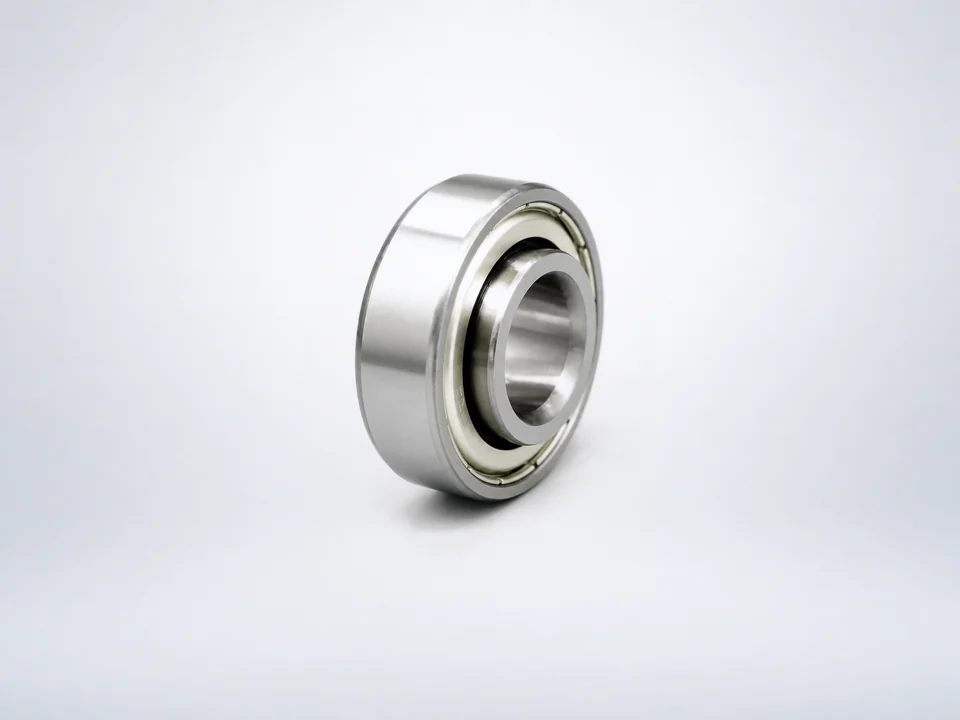
A part number is a reference, not a specification
Machine makers' part numbers are internal codes. A quotation needs the geometry, bore form, seal and locking method behind that number, confirmed against a sample or drawing.
Why the part number alone is not enough
Agricultural machine makers usually assign their own part number to a bearing. Behind it may be a standard bearing, a standard bearing with a special seal or grease, or a special design made to their drawing. Designations such as W208PPB-type or 203KRR2 are widely used in the industry, but suffix meanings are not uniform between bearing manufacturers. A reliable quotation therefore starts from the physical part, with the number used as a cross-check.
What to collect before requesting a quote
| Item | What to record | Why it matters |
|---|---|---|
| Part numbers | Machine maker's number, any number on the bearing ring or seal, machine model and position | Identifies the application and helps find the original configuration |
| Main dimensions | Bore, outside diameter, inner ring width, outer ring width | Defines the envelope; inner and outer ring widths often differ on agricultural bearings |
| Bore type | Round, square or hex; size across flats for square and hex | Determines how the bearing drives on the shaft |
| Outer ring form | Cylindrical, spherical, with snap-ring groove, or flanged | Determines how the bearing seats in the housing or hub |
| Seal type | Shield, single, double or triple-lip, flinger present or not, seal colour and material if known | Decides contamination resistance and friction |
| Locking method | Set screws, eccentric collar, positive drive by square or hex bore, press fit, clamping nut | Must match the shaft and the way the machine is assembled |
| Lubrication | Grease fitting or sealed-for-life; grease type if specified | Affects housing design and maintenance |
| Photos or sample | Both faces, the bore, the OD and any markings | Shows details that dimensions alone do not capture |
Bore types and locking methods
| Bore type | Locking method | Typical use | Points to measure |
|---|---|---|---|
| Round bore, extended inner ring | Set screws through the inner ring | Drive shafts, conveyor and reel shafts | Bore, set screw thread and position, inner ring width |
| Round bore, eccentric collar | Collar turned on the eccentric ring face and locked | Shafts with reversing or vibrating load | Bore, collar dimensions, inner ring width |
| Square bore | Positive drive; axial location by clamping | Disc harrow gangs and other square shafts | Size across flats, corner form, ring widths |
| Hex bore | Positive drive; axial location by collars or clamping | Planter and seed drill drive shafts | Size across flats, corner form, ring widths |
| Round bore, standard inner ring | Interference fit, shoulder, nut or snap ring | Hubs, pulleys, gearboxes | Bore, OD, width, fit on the shaft |
Measure square and hex bores across flats, not across corners, and check whether the corners are sharp or rounded. A worn shaft with rounded corners can make a new bore feel loose even when the bearing is correct. For square-bore gang bearings in particular, see disc harrow square-bore bearings.
How a cross-reference is built
- Identify the bearing type from the sample: insert bearing, deep groove, double row, square-bore gang bearing, etc.
- Measure the main dimensions and bore form, and record the instrument used.
- Compare with standard series. If the envelope matches a standard series, the remaining differences are usually seal, grease, locking detail and outer ring form.
- List every difference between the sample and the proposed replacement, and confirm each one with the customer.
- Where no standard series matches, treat the part as a custom bearing and work from a drawing made from the sample.
The result is a dimensionally compatible reference. It states that the replacement fits and functions in the same position; it does not mean the part is made or authorized by the original machine or bearing brand. Replacement bearings should not be marked with another company's brand.
Verifying samples before ordering
| Check | Method | Accept when |
|---|---|---|
| Dimensions | Measure bore, OD, widths, bore form and locking features on several samples | Within the tolerances agreed on the drawing or quotation |
| Seal | Compare lip count, flinger, fit and material against the original | Equivalent or agreed alternative |
| Rotation and noise | Turn by hand; vibration test where specified | Smooth rotation; noise grade as agreed |
| Fit on the machine | Install on the actual shaft and housing | Correct seating, locking and alignment without modification |
| Field trial | Run through a working period in the intended conditions | No abnormal heat, noise or seal leakage at inspection |
Record the result of each check with the sample batch reference. If the field trial reveals a problem, return the failed sample; the failure mode shows whether the issue is the seal, the grease, the fit or the operating condition.
Common mistakes
- Ordering by part number only, then finding that the seal, locking method or outer ring form is different.
- Measuring a worn square or hex bore across corners instead of across flats.
- Overlooking a difference between inner and outer ring widths.
- Measuring the shaft on the worn section, then choosing a smaller bore.
- Changing a sealed-for-life bearing to a relubricatable one, or the reverse, without checking the housing and the maintenance routine.
Replacement agricultural bearings from our Cixi factory
We supply agricultural bearings including 203KRR2-type units. Send the part number, measured dimensions and a sample or photos; we confirm whether the part fits our range, list the differences, and quote a dimensionally compatible reference, not a brand-authorized part. NLHB manufactures miniature and deep groove ball bearings up to P4 precision, and double row angular contact bearings and track rollers up to P6.
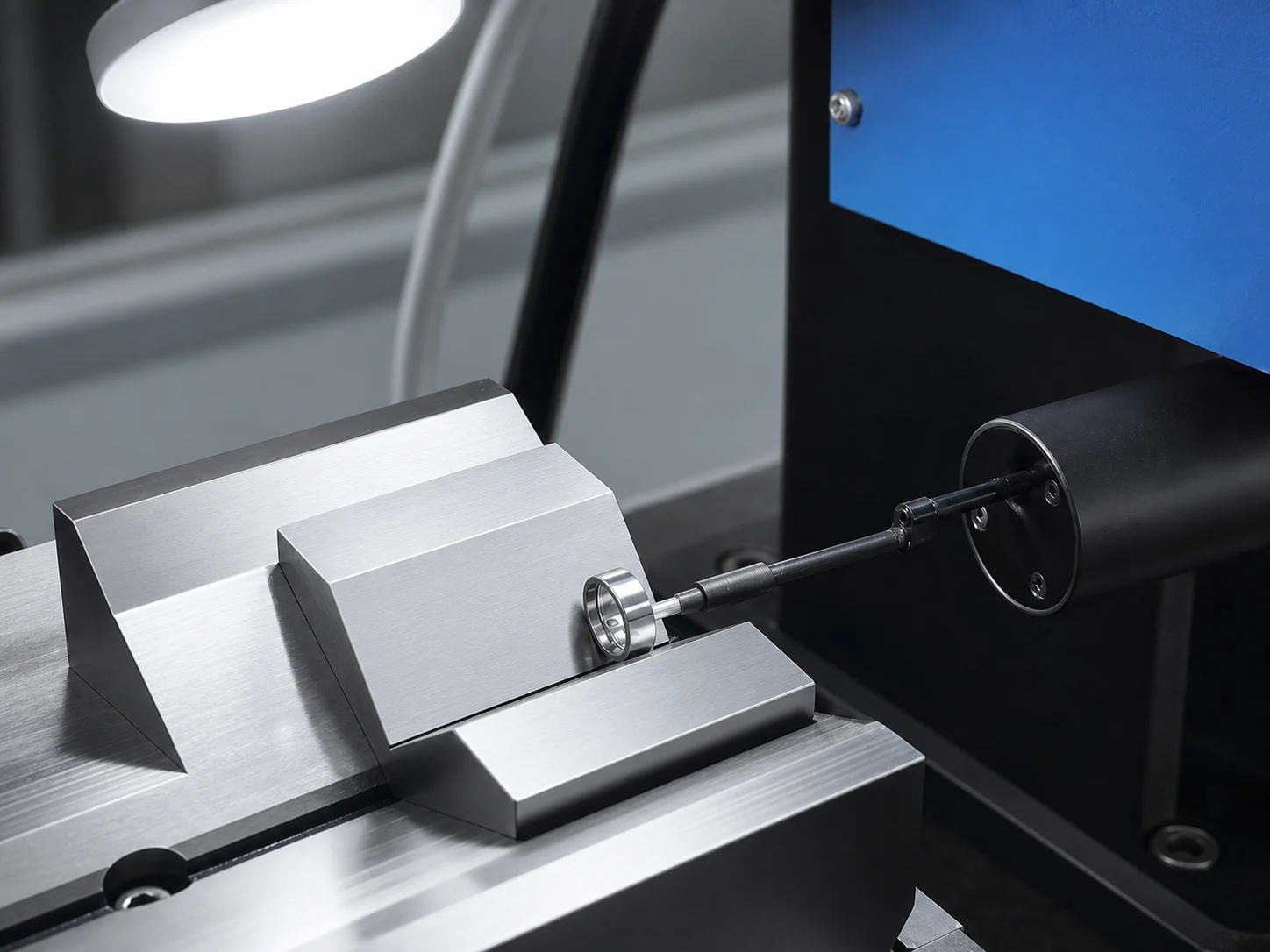
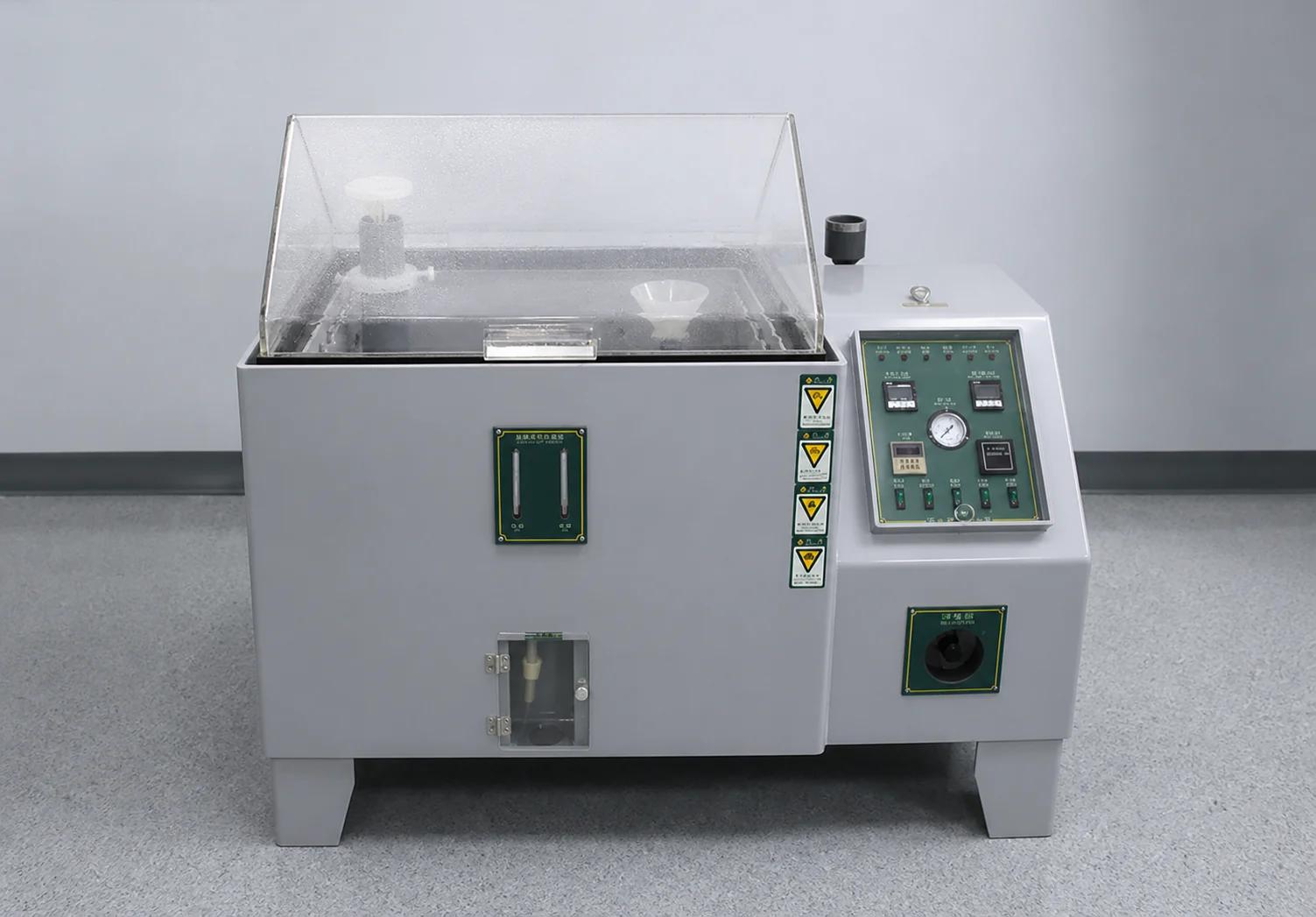
Evidence from our workshop
What to send for a quotation
- Original part number, machine model and bearing position.
- Measured bore, OD, inner and outer ring widths; bore type and size across flats.
- Outer ring form, seal type and locking method.
- Photos of both faces, the bore and markings, or a sample.
- Annual quantity, packing and marking requirements.
Frequently Asked Questions
Can you quote from the original part number alone?
The number helps identify the application, but we confirm the quotation against measured dimensions, photos or a sample. Machine makers' numbers do not describe the bearing to another manufacturer.
What is the most important dimension for a square or hex bore bearing?
The bore size across flats, together with the corner form. Measure across flats, not across corners, and on an unworn part.
Is a cross-referenced bearing an original brand part?
No. It is a dimensionally compatible reference that fits and functions in the same position. It does not imply brand authorization.
What does 203KRR2 or W208PPB-type mean?
They are commonly used industry designations for agricultural bearings. Suffix meanings are not uniform between manufacturers, so the dimensions and seal must be confirmed on the sample.
How should replacement samples be verified?
Measure several samples, compare seals and locking features, install them on the actual machine, and run a field trial in the intended conditions before ordering in volume.
Related guides
Published 2026-09-25. Images show our own workshop and representative products. Final dimensions, grades, inspection limits and supply conditions are confirmed against the requested model, drawing and order.