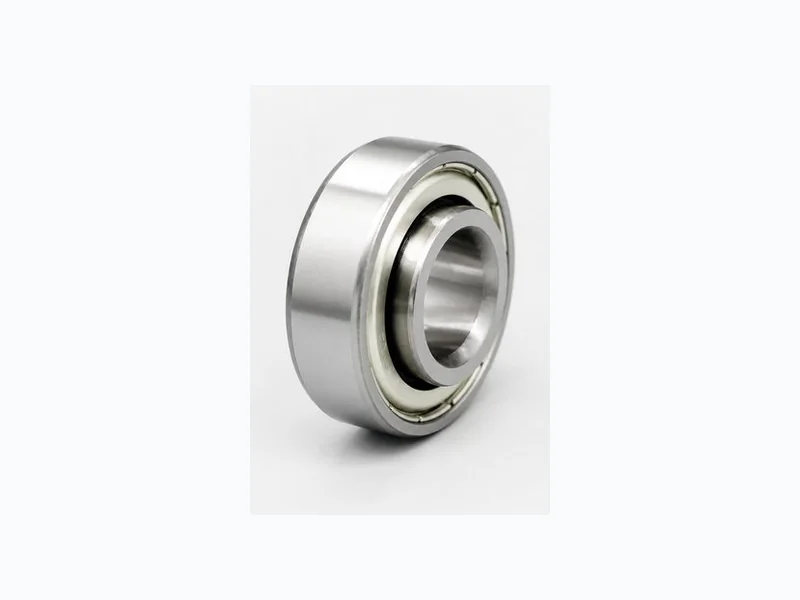
Agricultural bearings should be identified from the shaft interface, locking method, seal package and machine position—not from an abbreviated farm number alone. Round, square and hex bores, extended inner rings and application-specific closures can define different products with similar outside dimensions.
Start from the machine interface
Farm equipment combines dust, moisture, crop residue, shock and seasonal maintenance. The correct bearing is the one that matches the shaft, housing, closure and operating position as a complete assembly.
Product families and identification
Agricultural bearing catalogues group products by more than rolling-element type. Wide inner rings, special bores, shrouded seals and machine interchange references are common because field installation and contaminant exclusion are primary design requirements.
KRR-style numbers and OEM references are useful search keys, but they are not sufficient for substitution. Check the complete suffix, bore geometry, inner- and outer-ring widths, locking components and the exact machine location.
Series map
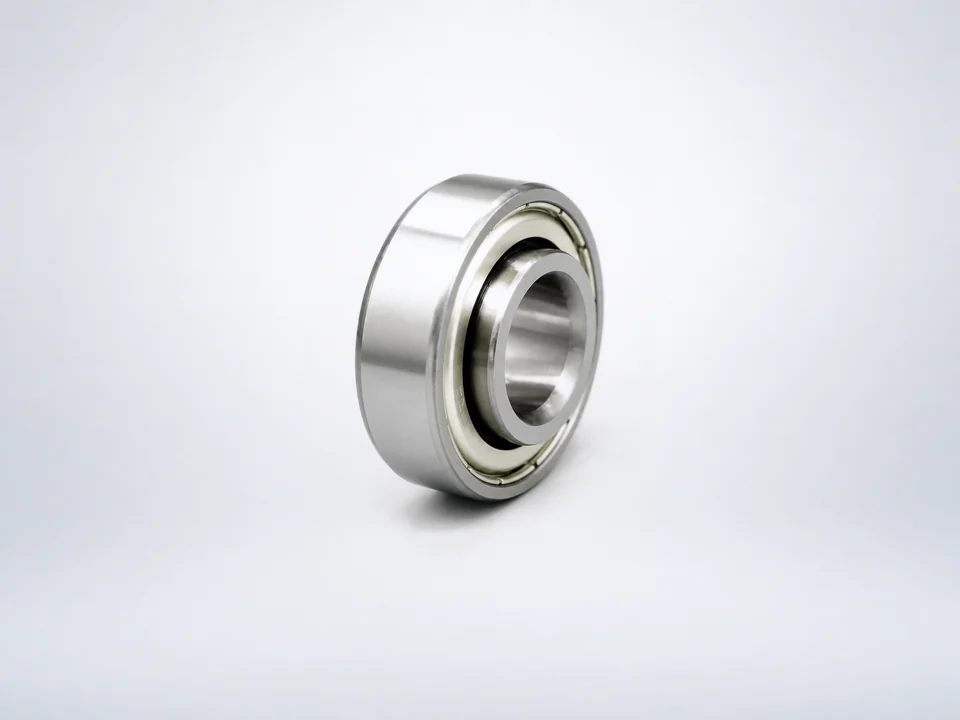
KRR and wide-inner-ring
Common insert-bearing route with application-specific bore, inner-ring extension, locking and seal details.
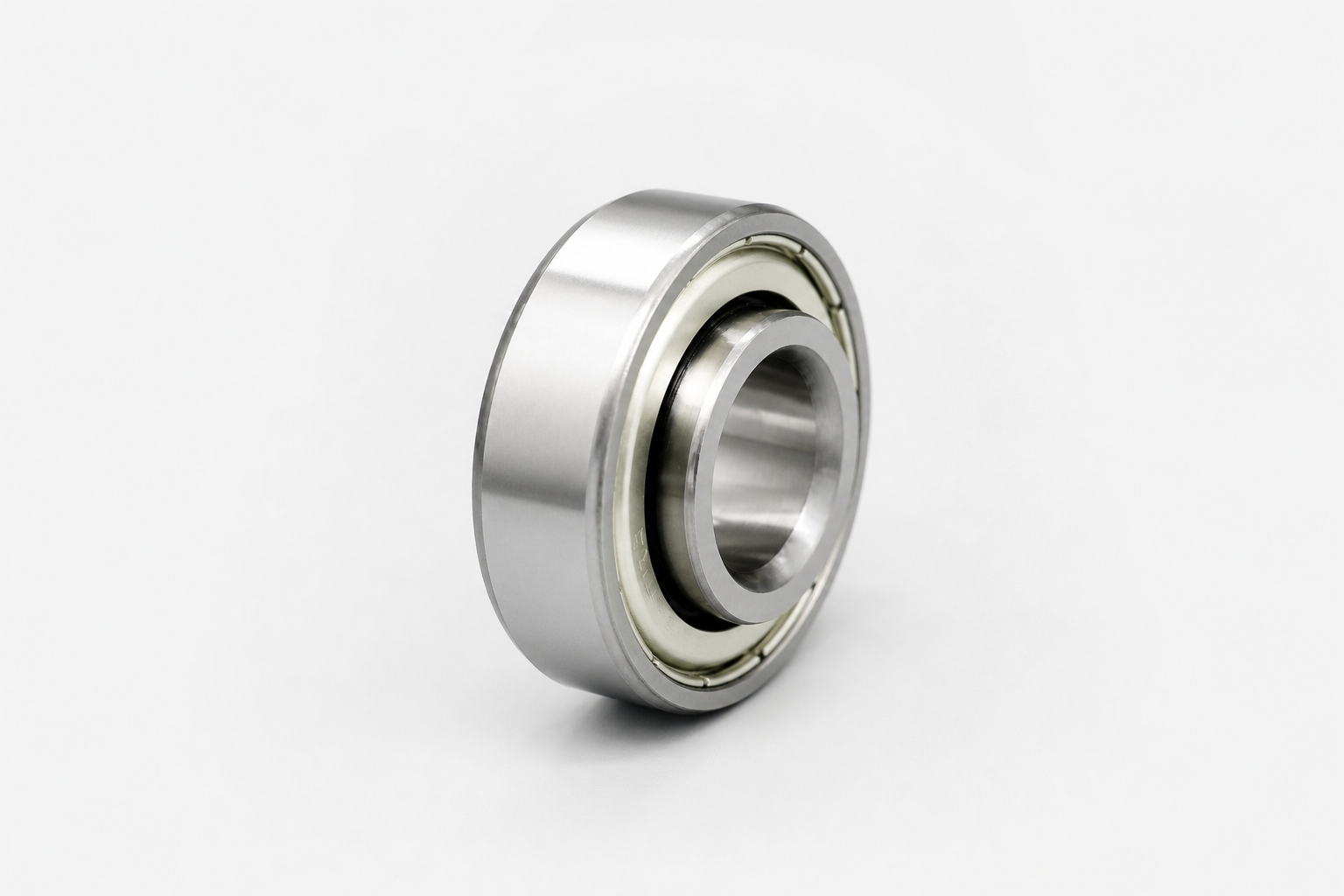
Round-bore locking types
Selection depends on shaft fit, eccentric or setscrew locking, axial location and relubrication strategy.
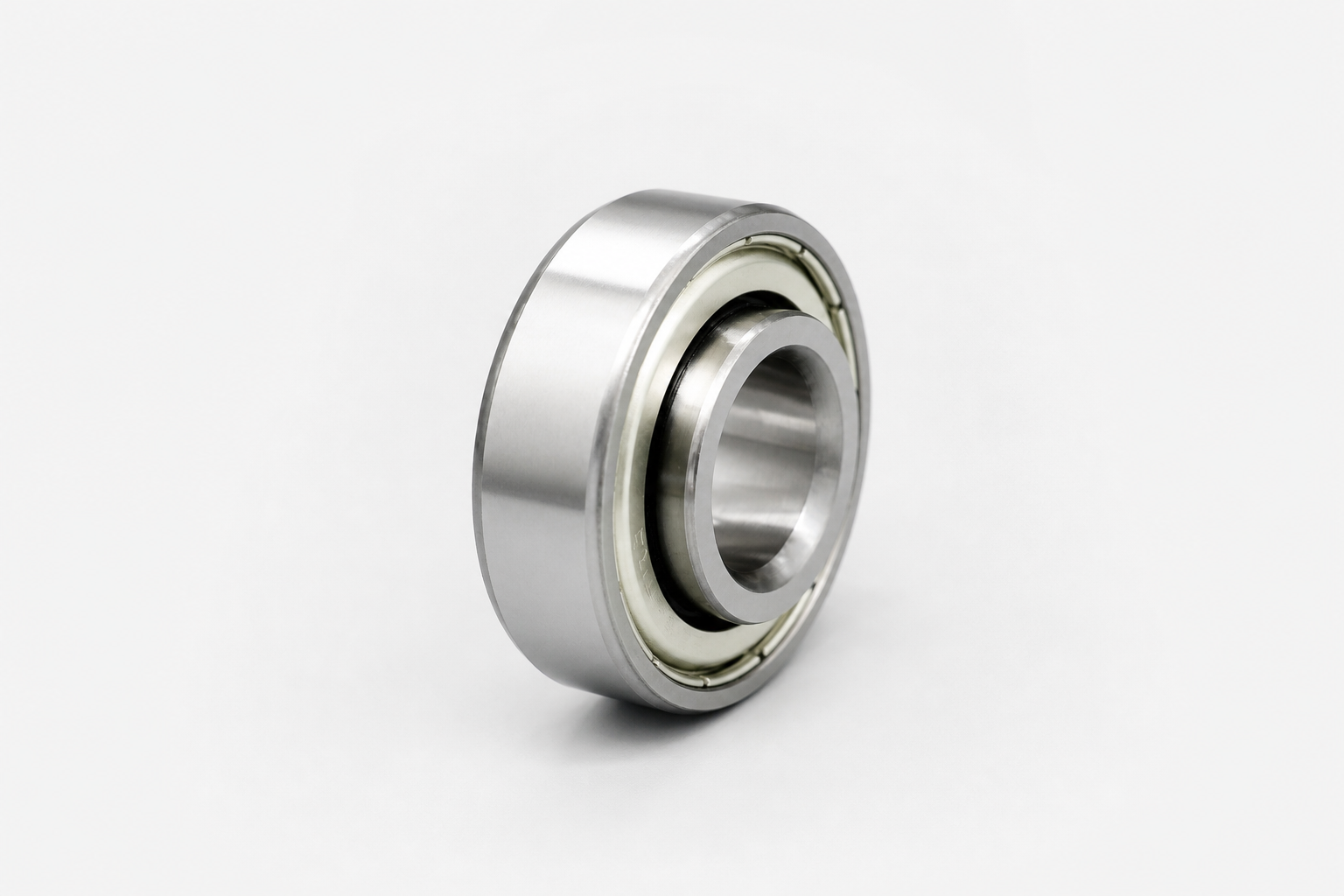
Square and hex bore
Shape-driven shaft interfaces simplify mounting but require exact across-flat dimensions and corner geometry.
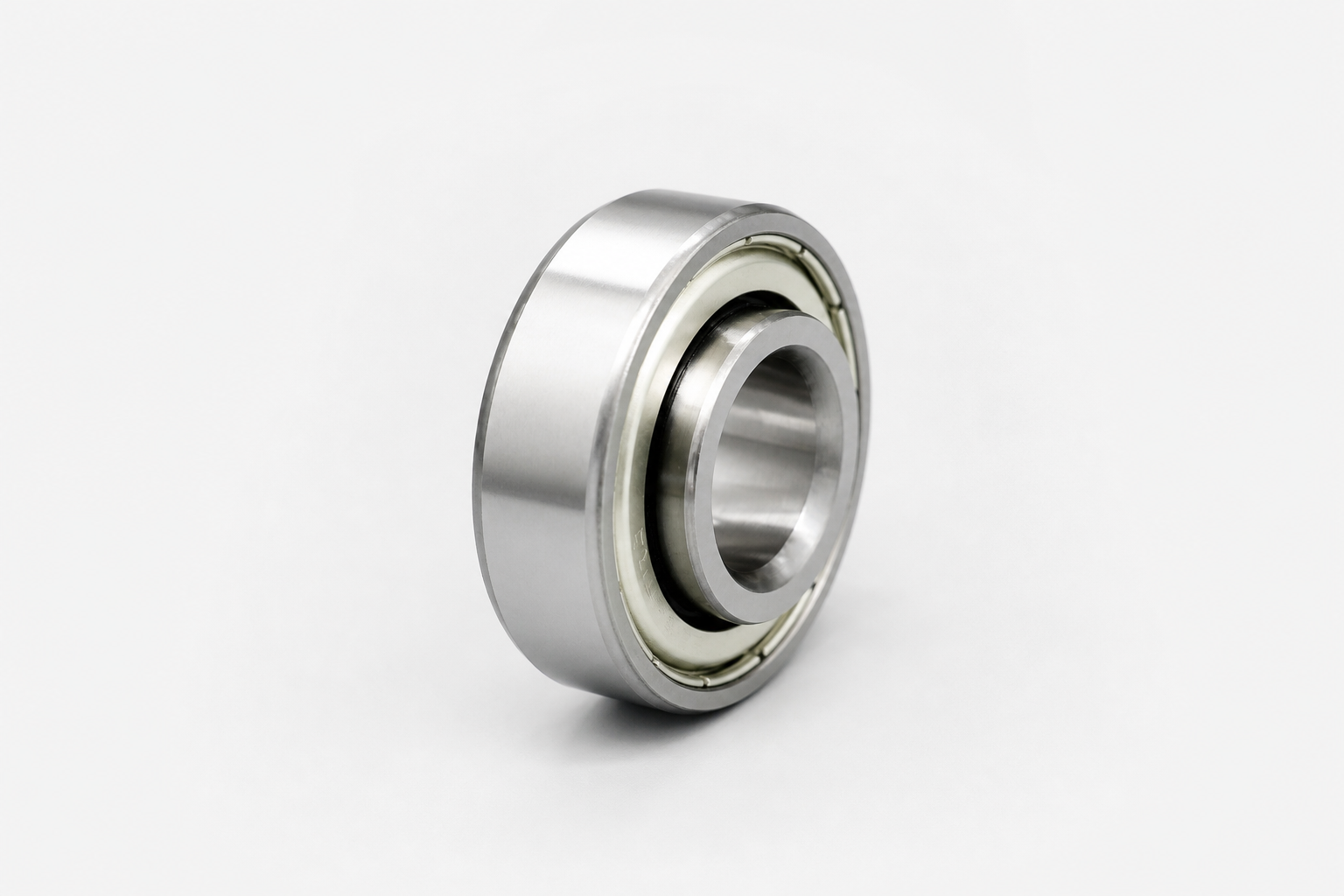
Disc and tillage positions
Contamination, shock, axial location and seal protection dominate the engineering review.
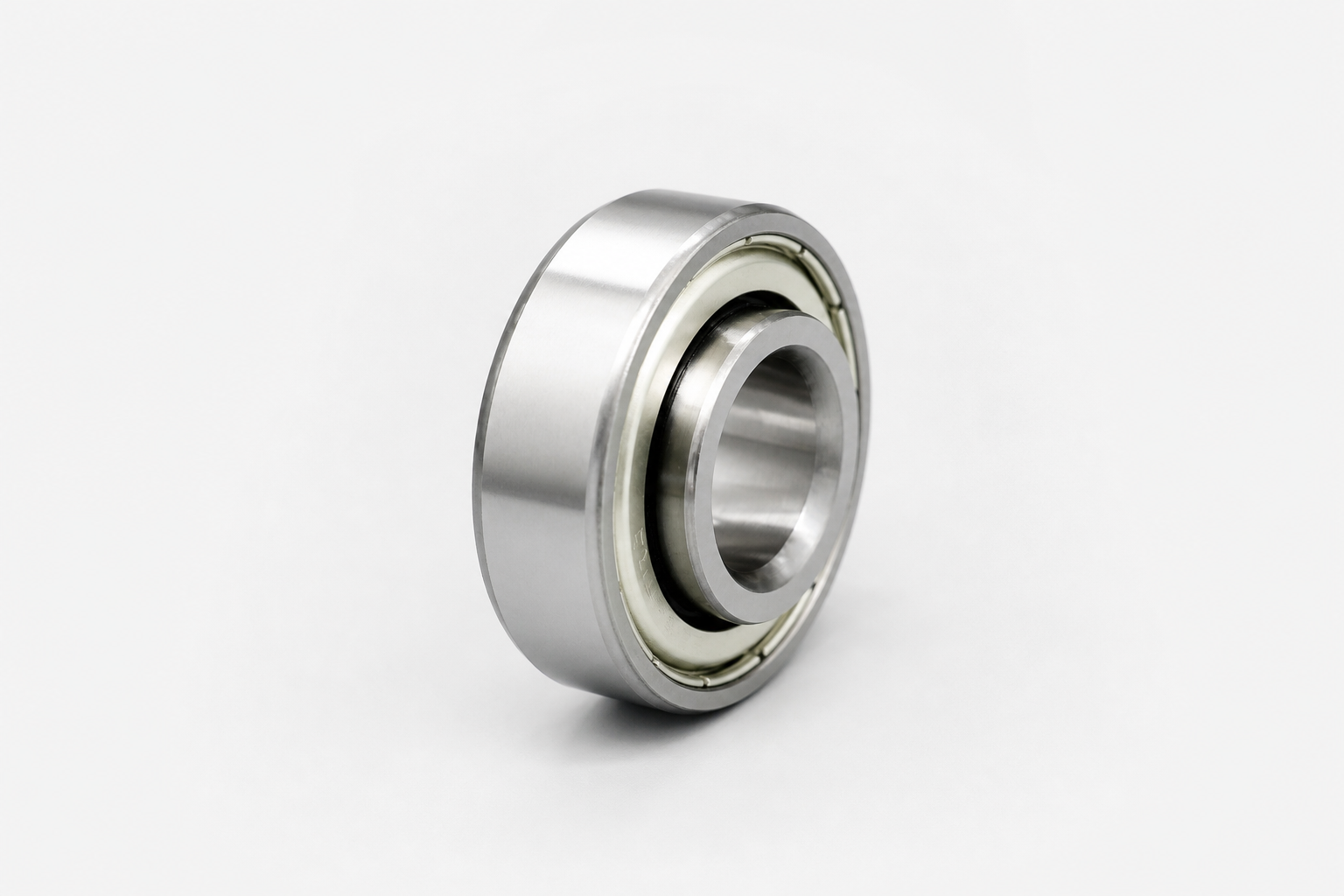
OEM and custom interchange
Old numbers, photos and samples must be reconciled against a measured drawing before supply.
Selection framework
| Interface | Check | Why it matters |
|---|---|---|
| Shaft | Bore form, across-flat/diameter, tolerance and locking | Controls mounting and creep resistance |
| Housing/machine | Outside diameter, ring width, shoulders and axial location | Prevents dimensional interchange errors |
| Closure | Seal lips, shrouds, grease and relubrication | Controls contaminant ingress and grease retention |
| Duty | Machine position, speed, shock, moisture and seasonal storage | Defines the relevant inspection and material requirements |
An OEM or farm number is a starting point, not a complete specification
The same base reference can appear with different suffixes, seals or bore forms. Replacement should be confirmed against the removed bearing and the machine interface.
Five-step identification process
When the original catalogue is unavailable, build the specification from the installed position.
- Record the machine make, model, year and bearing position.
- Photograph every marking and the installed locking components.
- Measure bore form, outside diameter, all ring widths and shoulder details.
- Describe the contamination, washdown, shock, speed and maintenance conditions.
- Confirm grease, corrosion, seal and traceability requirements before quotation.
Inspection priorities for agricultural service
Critical checks typically include bore and ring geometry, seal assembly, rotational condition, grease specification and dimensional conformity to the approved sample or drawing.
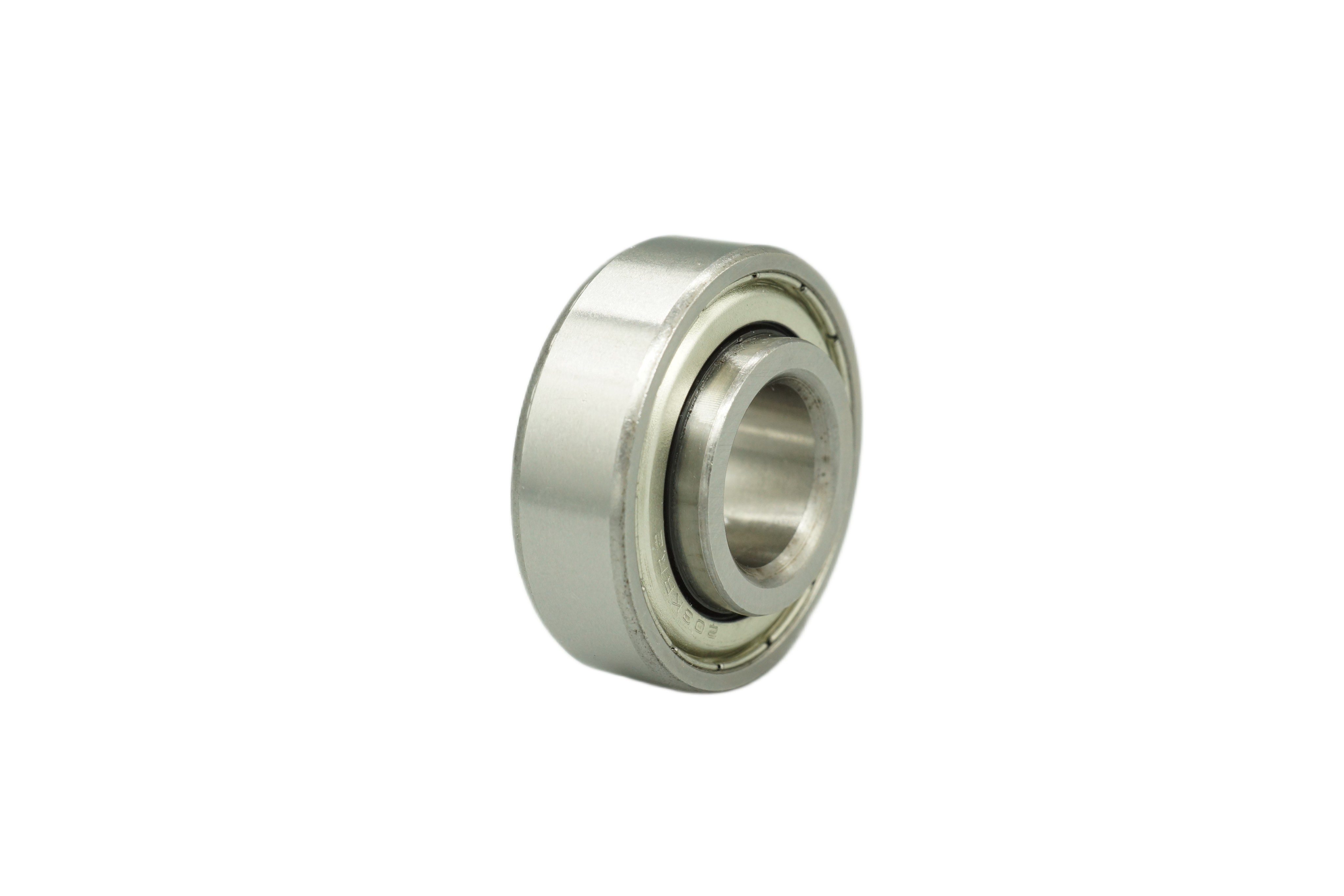
Information needed for quotation
- Record the machine make, model, year and bearing position.
- Photograph every marking and the installed locking components.
- Measure bore form, outside diameter, all ring widths and shoulder details.
- Describe the contamination, washdown, shock, speed and maintenance conditions.
- Confirm grease, corrosion, seal and traceability requirements before quotation.
Frequently Asked Questions
Can 203KRR2 be identified by outside diameter alone?
No. Bore geometry, inner-ring width, locking and seal construction must also be confirmed.
Are square- and hex-bore bearings self-locking?
The shaped bore transmits torque through the shaft interface, but axial location and the catalogue-specific mounting arrangement still need review.
Is a heavier seal always better?
No. Exclusion, friction, heat and grease retention must be balanced for the actual speed and environment.
Can an OEM number be cross-referenced directly?
Use it to find candidates, then verify the complete dimensions, suffixes and machine position.
What photographs are useful?
Provide both faces, all markings, the shaft interface, housing, locking parts and the removed seal condition.
Can NLHB work from a worn sample?
Yes, but wear must be separated from the original design; machine dimensions or an unworn reference improve confidence.
Related engineering guides
References
Evidence version: agri-series-v1 · Checked 2026-09-21. Images are representative. Final dimensions, ratings, inspection limits and supply conditions are confirmed against the requested model, drawing and order.