A ball bearing is four kinds of parts — inner ring, outer ring, balls and cage, plus seals or shields and grease — brought together after a long sequence of machining and inspection. Most of the accuracy and quietness of the finished bearing is created in a few steps: heat treatment, grinding, super-finishing, cleaning and assembly. This guide walks through the process as it runs for miniature and deep groove ball bearings, and explains which step controls which property.
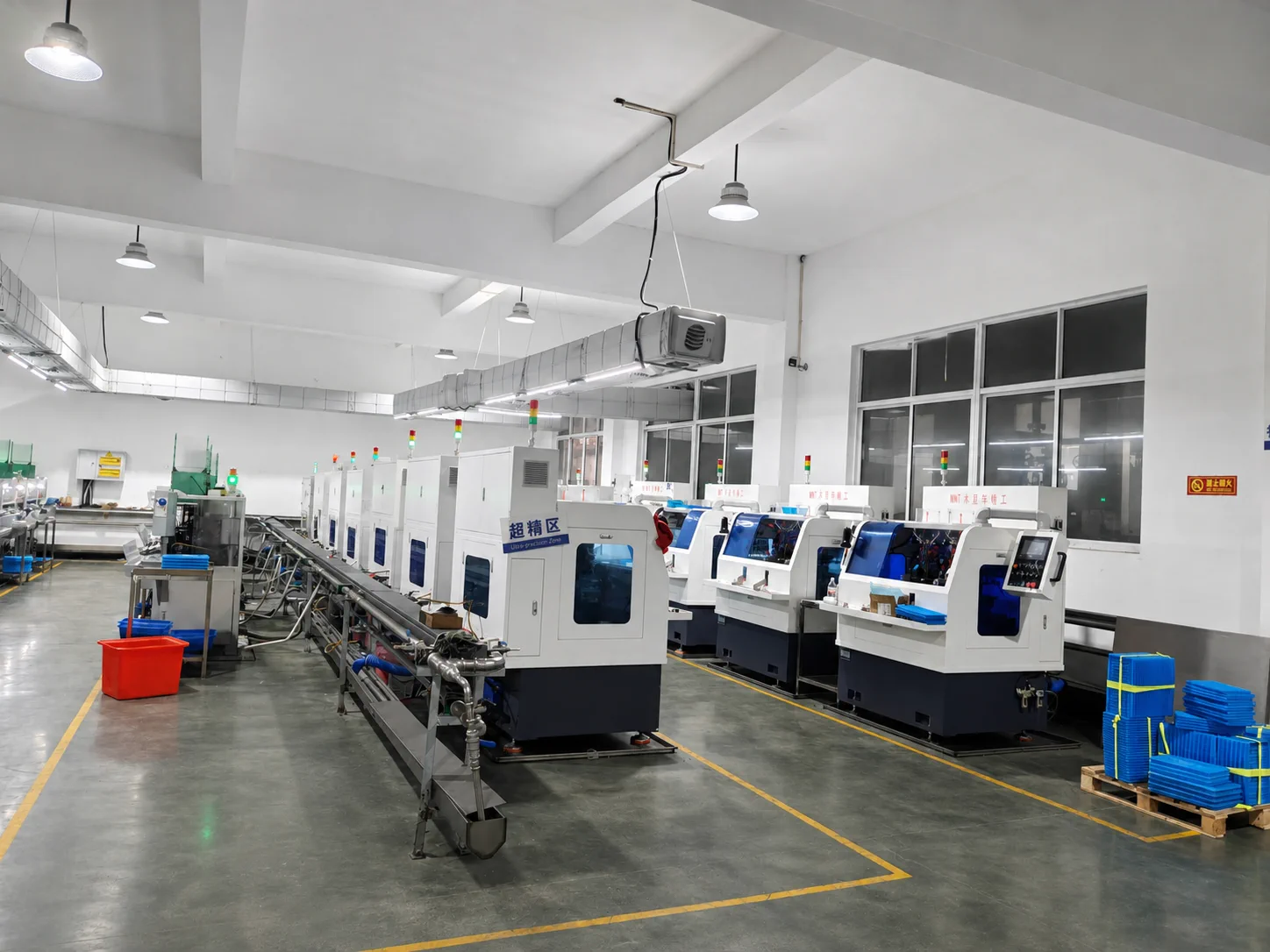
Size is set early, running quality is set late
Turning gives the ring its shape, heat treatment gives it hardness, and grinding brings it to size. Raceway grinding, super-finishing, cleanliness and assembly then decide how smoothly and quietly the bearing runs and how long it lasts.
The process in ten steps
| Step | What happens | Mainly affects |
|---|---|---|
| 1. Ring blank | Bar, tube or forged blanks of bearing steel (chrome steel or stainless steel) are prepared for each ring size | Material quality, machining allowance |
| 2. Turning (soft turning) | Inner and outer rings are turned to near-final shape before hardening: faces, bore, OD, raceway groove, seal grooves and chamfers | Shape, grinding allowance, seal groove geometry |
| 3. Heat treatment | Quenching and tempering to harden the rings. At NLHB this is done by long-term partner heat-treatment plants | Hardness, microstructure, dimensional stability, fatigue life |
| 4. Face grinding | Both ring faces are ground flat and parallel as the reference for later operations | Width, face runout, datum for raceway grinding |
| 5. OD and bore grinding | Outer ring OD and inner ring bore are ground to the precision class | Fit with shaft and housing, radial runout |
| 6. Raceway grinding | The ball groove in each ring is ground to size, radius and position | Roundness, groove profile, contact angle, clearance, noise |
| 7. Super-finishing | Fine stone honing of the raceway removes grinding marks and improves surface finish | Surface roughness, noise, friction, life |
| 8. Cleaning | Rings and components are cleaned to remove grinding residue, abrasive and dust | Noise, contamination-related failure |
| 9. Assembly | Rings are matched for clearance, balls inserted, cage fitted, grease filled, shields or seals installed | Clearance group, noise, lubrication, sealing |
| 10. Inspection, anti-rust, packing | Vibration and clearance checks, appearance inspection, anti-rust protection and packing | Delivered quality, protection in transport and storage |
Turning: shape before hardness
Rings are turned while the steel is still soft. Turning sets the basic geometry and leaves a controlled grinding allowance on the surfaces that will be ground after heat treatment. Seal and shield grooves, chamfers and non-ground surfaces are finished at this stage, so their accuracy comes from turning. Turning is carried out in our Cixi factory.
Heat treatment: hardness and structure
Heat treatment turns soft rings into hard, wear-resistant rings. It determines hardness, microstructure and dimensional stability, and it has a direct effect on rolling contact fatigue life. At NLHB heat treatment is performed by long-term partner heat-treatment plants; the hardened rings then go on to grinding. Metallographic reports can be supplied as agreed on the order. See which test reports to ask for.
Grinding: where precision is made
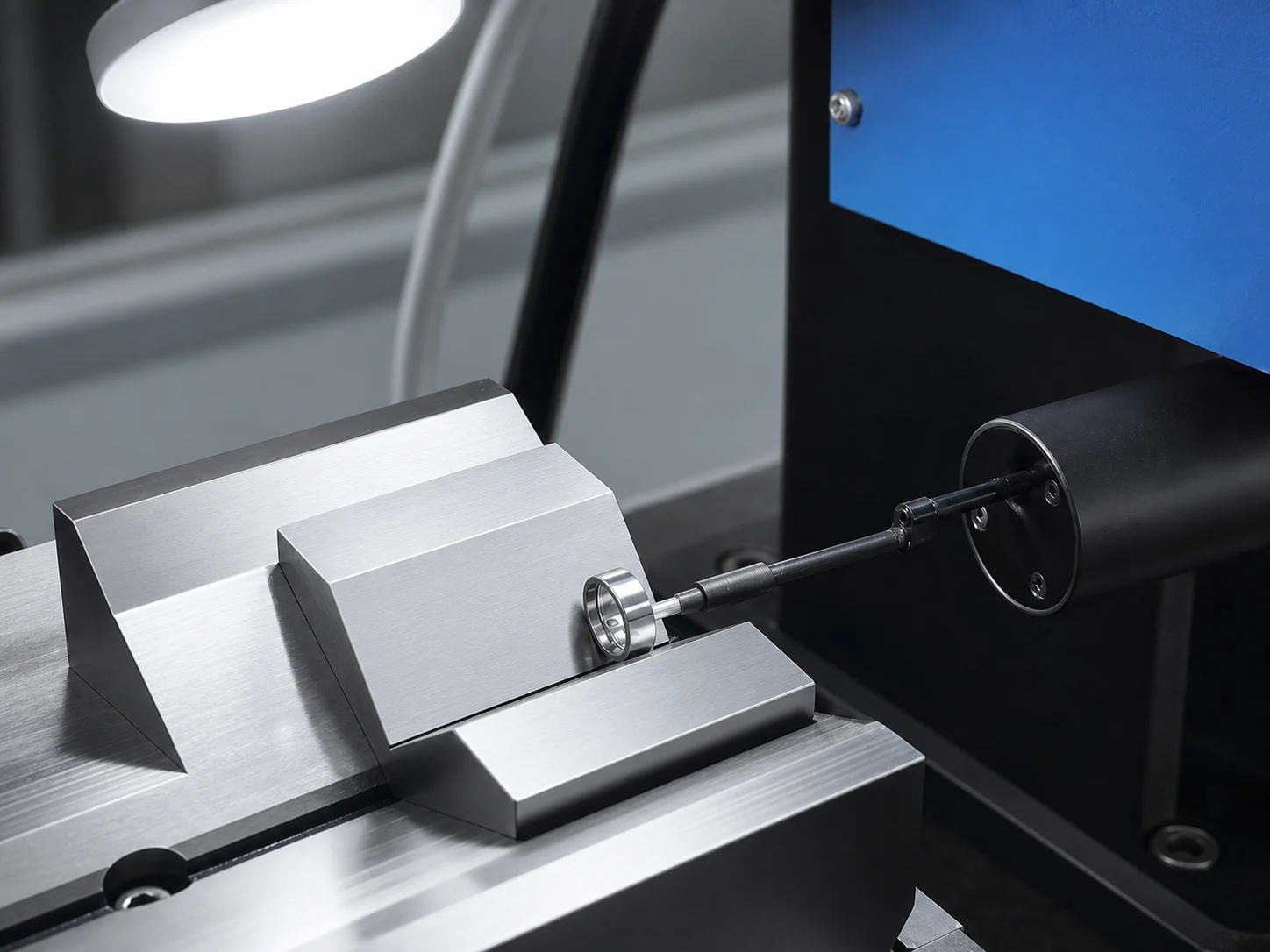
After hardening, the rings are ground in sequence. Faces are ground first because they become the datum. OD and bore grinding then set the fitting diameters and radial runout. Raceway grinding forms the ball groove: its roundness, radius and position decide how evenly the balls roll, the contact angle and, together with ball size, the internal clearance. Raceway grinding is done in our Cixi factory, and ring roundness and raceway profile are measured on our own instruments.
Super-finishing: where noise is reduced
Super-finishing removes the fine grinding pattern from the raceway and improves its surface finish and short-wave form. It has a strong effect on vibration acceleration (Z grade) and on friction. A raceway that is ground correctly but not super-finished well will usually show up as higher high-frequency vibration. Super-finishing is carried out in our factory, and surface roughness is checked on our own instruments.
Cleaning and assembly: where noise is kept low
- Cleaning removes abrasive and grinding residue. Particles left in the bearing produce the irregular noise that V-grade vibration testing detects, and can dent the raceway in service.
- Ring matching pairs inner and outer rings with balls to reach the ordered clearance group (for example CN or C3).
- Balls and cage: ball size grade and consistency affect noise; pressed steel or nylon cages are chosen to the customer requirement.
- Grease and seals: grease type and fill quantity are agreed per order; ZZ steel shields or 2RS contact seals are fitted last.
Final inspection, anti-rust and packing
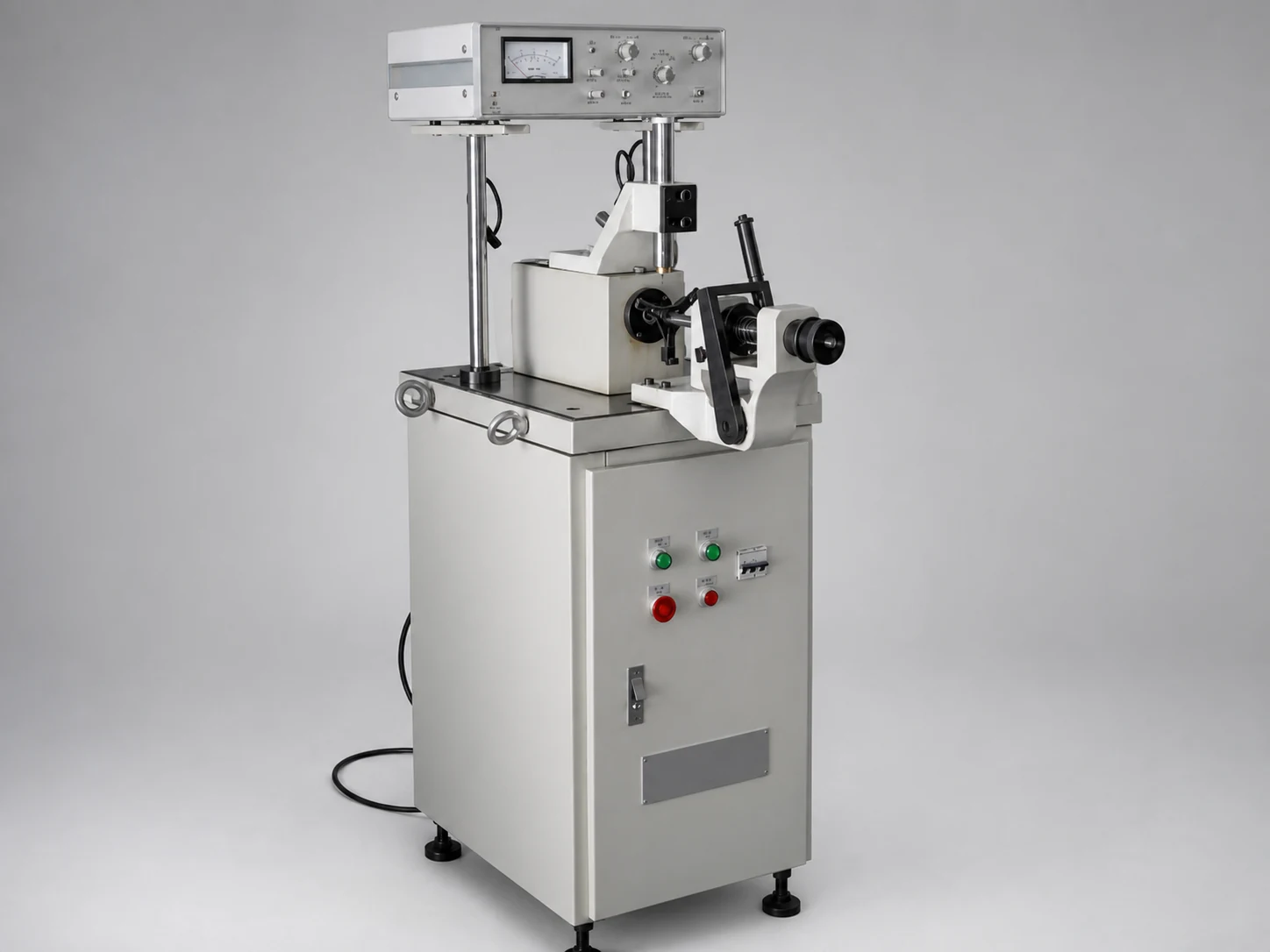
Finished bearings are checked for radial clearance and tested for vibration to the Z and V grades agreed on the order, then inspected for appearance. Bearings are protected with anti-rust treatment and packed according to the order. For how a buyer can verify the result at receipt, see the incoming inspection checklist.
Which steps decide precision, noise and life
| Property | Decided mainly by | Verified by |
|---|---|---|
| Precision (size, runout) | Face, OD, bore and raceway grinding | Dimensional report, runout measurement |
| Ring form | Raceway grinding, heat-treatment distortion | Roundness and raceway profile measurement |
| Noise | Raceway form, super-finishing, cleaning, ball quality, assembly, grease | Z/V vibration test |
| Internal clearance | Raceway grinding and ring/ball matching in assembly | Radial clearance measurement |
| Service life | Steel, heat treatment, raceway geometry and finish, lubrication, sealing, mounting | Hardness and metallographic reports; rating per ISO 281 |
| Corrosion resistance | Material (chrome or stainless steel), anti-rust treatment, sealing | Salt spray test under agreed conditions |
Turning to packing under one roof, heat treatment by partners
Turning, raceway grinding, super-finishing and assembly are done in our Cixi factory, established in 2002. Heat treatment is done by long-term partner heat-treatment plants. Roundness, raceway profile, roughness, clearance and vibration are measured on our own instruments before packing. NLHB manufactures miniature and deep groove ball bearings up to P4 precision, and double row angular contact bearings and track rollers up to P6.
Evidence from our workshop
What to send for a quotation
- Bearing designation or drawing and quantity.
- Precision class, clearance group and vibration grade.
- Ring and ball material, cage type, seal type.
- Grease requirement and fill, if specified.
- Required test reports and packing requirement.
Frequently Asked Questions
What are the main steps in making a ball bearing?
Ring blanks are turned, heat treated, ground on faces, OD, bore and raceway, super-finished, cleaned and assembled with balls, cage, grease and seals, then tested for clearance and vibration, protected against rust and packed.
Which manufacturing step has the most effect on bearing noise?
Raceway grinding and super-finishing, followed by cleaning and assembly. They determine raceway form, surface finish and contamination, which vibration testing measures.
Does NLHB do heat treatment in-house?
No. Heat treatment is done by long-term partner heat-treatment plants. Turning, raceway grinding, super-finishing and assembly are done in our Cixi factory, and metallographic reports can be supplied as agreed.
Why are bearing rings turned before heat treatment?
Soft steel is much easier to machine. Turning forms the shape and leaves a grinding allowance; after hardening, grinding brings the functional surfaces to final size and accuracy.
How is bearing clearance controlled during production?
Clearance results from raceway diameters and ball size. Rings and balls are matched in assembly to the ordered clearance group, which is then checked by radial clearance measurement.
Related guides
Published 2026-09-25. Images show our own workshop and representative products. Final dimensions, grades, inspection limits and supply conditions are confirmed against the requested model, drawing and order.