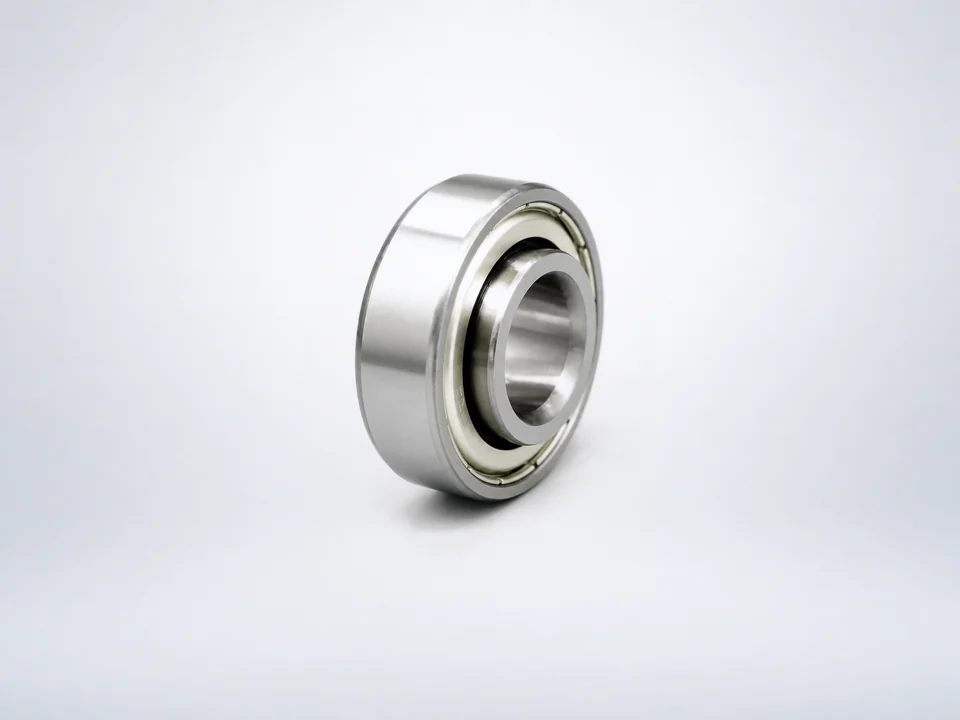
Agricultural bearings are mounted on round, hex or square shafts, and the bore form decides how the inner ring is driven and located. Designations such as 203KRR2, 204KRR2 and 205KRR2 are widely used in the farm equipment aftermarket, but the bore form, seal and ring shape behind a number are not the same across catalogues. This guide explains the function of each bore form, the locking methods used with them, how to read these designations in general terms, and how to specify a replacement from measured dimensions. NLHB supplies 203KRR2-type agricultural bearings.
The bore decides how the ring is driven
A round bore relies on a fit, set screws or a collar to turn with the shaft. A hex or square bore drives the inner ring by its form. That difference changes how the bearing is mounted, how it fails and how it must be measured.
Three bore forms and what they do
| Bore form | How the inner ring is driven | Axial location | Typical use |
|---|---|---|---|
| Round bore | Interference fit, or set screws / eccentric collar on a slip fit | Shaft shoulder, collar, set screws or snap ring | General farm shafts, conveyors, gearbox and hub positions |
| Hex bore | Positive, by the hexagonal form on a hex shaft | Clamped spacers, shoulders or collars on the hex shaft | Planter and drill drive shafts, seed metering, gauge and press wheels, other hex-shaft drives |
| Square bore | Positive, by the square form on a square shaft | Clamped disc and spool stack | Disc harrow gangs and similar tillage tools |
A hex or square shaft transmits torque to every component on it without keys. The bearing bore is made to the shaft form so that the inner ring turns with the shaft, and the outer ring is held in a housing, flangette or hub. For square-bore gang bearings in detail, see disc harrow square-bore bearings.
Reading 203KRR2 / 204KRR2 / 205KRR2-type designations
These numbers are widely used in agricultural bearing catalogues and replacement lists. The following reading applies in general terms; the exact meaning of each letter must be confirmed against the catalogue of the brand the part was originally supplied under, because letter codes are not uniform between manufacturers.
| Part of the designation | General reading | What to confirm on the sample |
|---|---|---|
| Leading digits (203, 204, 205) | Relate to the bearing envelope, generally aligned with the 200 bearing series outer diameter and section | Measured OD and ring widths |
| Letters (e.g. K, RR) | Describe features such as seal arrangement and ring design, according to the originating catalogue | Seal type and number of lips, flinger, ring shape |
| Trailing digit or suffix (e.g. 2) | Variant code within the series; its meaning depends on the originating catalogue | Bore form (round or hex) and bore size across flats |
Two parts with the same number from different suppliers may differ in seal design, grease, inner ring width or OD form. Compare the sample, not only the label. For general suffix conventions, see bearing suffix guide; for the bearing series structure, see bearing size chart and number lookup.
Locking methods
| Locking method | Used with | Strengths | Typical failure and prevention |
|---|---|---|---|
| Set screws in an extended inner ring | Round bore on a slip fit | Simple mounting; easy to remove | Screws back off under vibration; tighten to specified torque and use thread locking where specified |
| Eccentric locking collar | Round bore with extended inner ring | Grips the shaft without screw marks on the ring seat; suits one rotation direction | Collar turned against rotation loosens; lock in the direction of rotation |
| Interference fit | Round bore | No creep; concentric running | Requires correct shaft tolerance; mounting force must go through the inner ring |
| Positive drive by hex or square form | Hex or square bore | No slip; no screws to loosen | Clamped stack loosens and the bore corners wear; re-tighten the stack at the intervals given by the machine maker |
A worn round bore with a polished band, or a hex or square bore with rounded corners, is almost always a locking or clamping problem, not a bearing material problem. Correct the mounting before fitting the replacement.
Hex bore compared with round bore
| Item | Hex bore | Round bore with set screws or collar |
|---|---|---|
| Torque transmission | By form; independent of friction | By friction and screw or collar grip |
| Axial location | Needs spacers, shoulders or a collar on the hex shaft | Provided by the set screws or collar |
| Loosening mechanism | Clearance between bore and hex shaft allows rocking and corner wear | Screws back off; ring creeps on the shaft |
| Shaft machining | Hex bar stock; no keyways | Round shaft; tolerance matters for fit |
| Measurement for replacement | Across flats, corner form, clearance on the shaft | Bore diameter and shaft fit |
Specifying a replacement by measured dimensions
- Record every marking on the ring and seal, and the machine maker's part number, machine model and position.
- Identify the bore form: round, hex or square.
- Measure the bore: diameter for round bores; size across flats for hex and square bores. Measure across flats, not across corners, and note whether the corners are sharp or rounded.
- Measure the outside diameter and both ring widths; on many agricultural bearings the inner ring is wider than the outer ring.
- Note the outer ring form: cylindrical, spherical, with snap-ring groove, or flanged.
- Note the seal system: number of lips, flinger, re-lubrication feature.
- Record the locking method and the housing, flangette or hub the bearing fits into.
- Photograph both faces, the bore and the OD, or send a sample.
Replacements quoted on this basis are dimensionally compatible references, not brand authorization. For the full procedure from a machine maker's part number, see replacing OEM agricultural bearings.
Common mistakes
- Ordering by the leading digits only (for example 203) without checking bore form and seal.
- Measuring a hex or square bore across corners instead of across flats.
- Replacing a bearing with a worn bore without checking the shaft corners and the clamping of the stack.
- Changing from a hex-bore to a round-bore bearing on a hex shaft; the drive and location design of the machine does not allow it.
- Ignoring the difference between inner and outer ring widths, which sets the axial stack length.
203KRR2-type bearings; hex and square bores confirmed per order
We supply agricultural bearings including 203KRR2-type units. Square-bore bearings can be made to order. For hex-bore bearings, send the designation or a sample and we confirm the specification. Replacements are dimensionally compatible references, not brand authorization. NLHB manufactures miniature and deep groove ball bearings up to P4 precision, and double row angular contact bearings and track rollers up to P6.
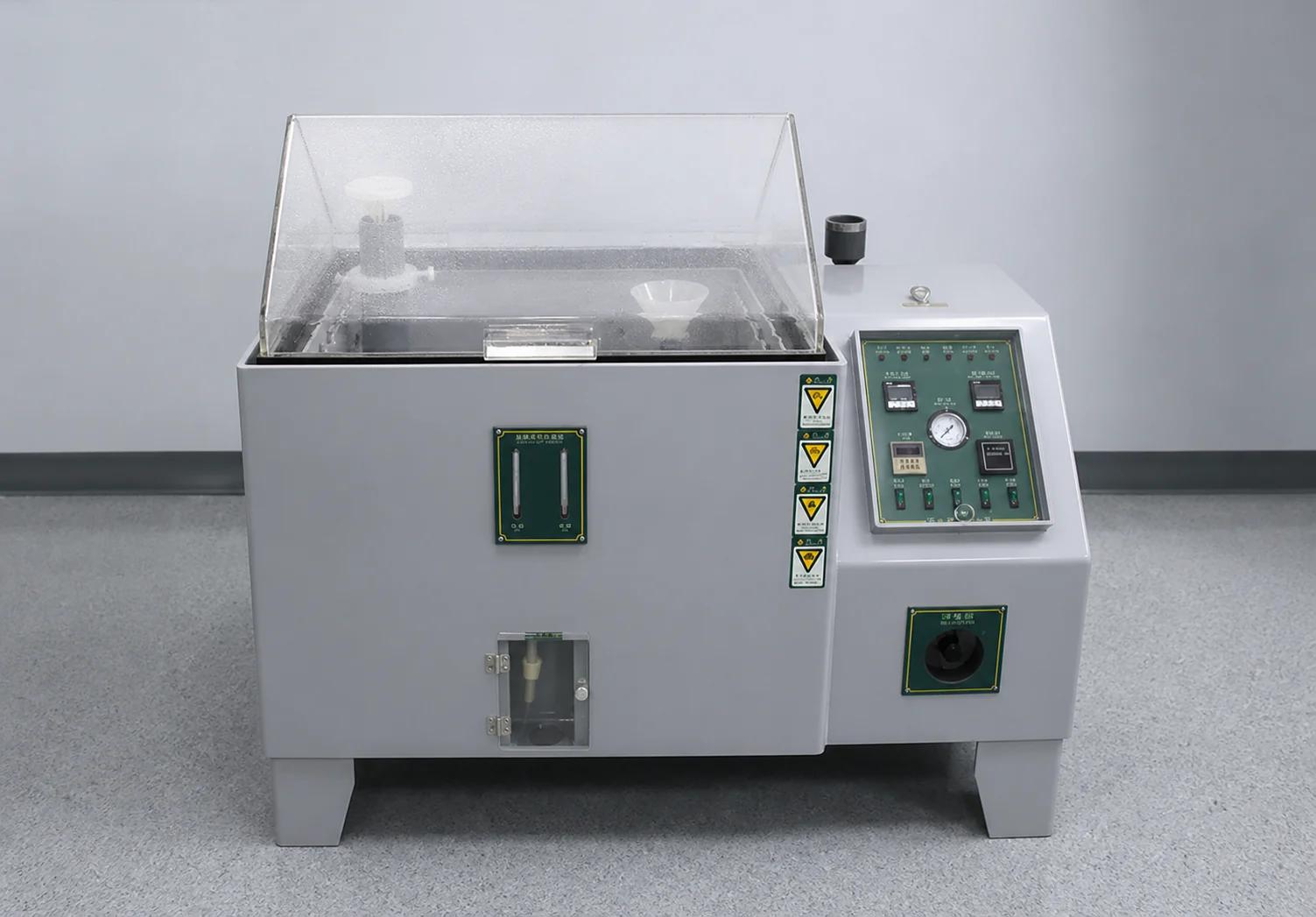
Evidence from our workshop
What to send for a quotation
- Full designation and markings from the old bearing, and the machine maker's part number if known.
- Bore form (round, hex or square) and bore size; across flats for hex and square.
- Outside diameter, inner and outer ring widths, outer ring form.
- Seal system and locking method; housing or flangette type.
- Photos or a sample, machine type and position, quantity.
Frequently Asked Questions
What is the difference between a hex bore and a round bore bearing?
A hex bore bearing is driven by its hexagonal form on a hex shaft, so it cannot slip. A round bore bearing is driven by an interference fit or by set screws or an eccentric collar, which can loosen if not tightened correctly.
What does 203KRR2 mean?
It is a widely used agricultural bearing designation. The leading digits relate to the bearing envelope and the letters and suffix describe features such as seals and bore variant. The exact meaning should be confirmed in the originating catalogue and against a sample.
Can I replace a hex bore bearing with a round bore bearing?
Not on a hex shaft. The shaft, spacers and housings are designed around the hex drive. Changing the bore form means changing the shaft design.
How do I measure a hex bore?
Measure across flats, not across corners, with a caliper or gauge, and note the corner form. Worn, rounded corners mean the shaft and clamping should also be checked.
Do you make hex bore agricultural bearings?
We supply 203KRR2-type agricultural bearings and make square-bore bearings to order. For a hex-bore bearing, send the designation or a sample and we confirm the specification.
Related guides
Published 2026-09-25. Images show our own workshop and representative products. Final dimensions, grades, inspection limits and supply conditions are confirmed against the requested model, drawing and order.