In a split-frame pipe cutting and beveling machine, a ring gear carrying the tool slides rotates around a stationary frame clamped to the pipe. The ring is supported and guided by a set of rollers. When these rollers wear, the ring runs out, the cut wanders and the bevel is uneven. This guide explains how the rollers work, what they have to withstand, and what information is needed to make replacements from a worn sample.
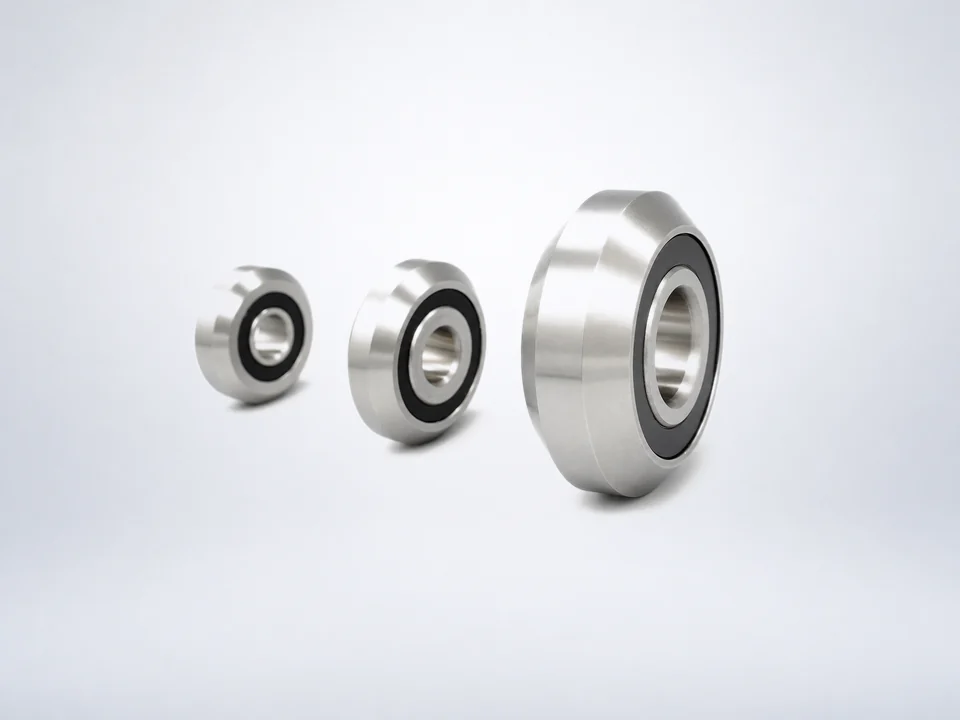
The rollers are the ring's bearing
The rotating ring has no central shaft. Its position, runout and stiffness are set by the rollers on the stationary frame, so the roller profile, the fit on its stud and the condition of its outer ring determine the quality of the cut.
How the rollers carry and guide the ring
The machine is split into two halves so it can be mounted around a pipe that is already in place. The stationary frame clamps to the pipe; the ring rotates on rollers fixed to the frame, driven by a motor through the ring gear. Depending on the design, the rollers run on a cylindrical surface, a V-shaped track or a groove on the ring, and are mounted on studs, often with an eccentric stud to set the running clearance.
| Roller function | Typical arrangement | What goes wrong when worn |
|---|---|---|
| Radial support | Several rollers around the circumference carry the ring on its running surface | Ring runs out; cut depth and bevel angle vary around the pipe |
| Axial guidance | Profiled rollers (V or grooved) engage a track on the ring | Ring moves axially; the cut is not square and the bevel land varies |
| Clearance adjustment | Eccentric studs on some rollers to set preload or clearance | Loose ring and chatter, or a tight ring and increased drive load |
Loads and shock
- The cutting and beveling tools produce intermittent cutting forces that reach the ring and then the rollers as fluctuating radial and axial loads.
- Starting a cut, interrupted cuts and hard spots in the pipe material cause shock loads.
- The load is shared unevenly: rollers nearest the tool slide carry more than those opposite.
- When the machine is mounted on a horizontal pipe, the ring's own weight acts on different rollers as it turns.
- Clamping the frame on a pipe that is not perfectly round can distort the frame slightly and change the load on individual rollers.
These conditions favour rollers with a thick outer ring that can carry concentrated contact without bending, and an internal design with enough capacity for the combined radial and axial load. Double row designs are often chosen because they resist tilting of the outer ring. For a comparison of roller constructions, see the track roller series guide.
Outer ring profile
| Profile | Used when | Note for replacement |
|---|---|---|
| Cylindrical (flat) OD | The roller supports the ring on a flat running surface | OD tolerance and crowning, if any, should match the original |
| V-groove or V-profile | The roller engages a V-shaped track on the ring for axial location | Included angle and groove position must match the ring track |
| Grooved (U or radius) profile | The roller runs in or on a rounded track | Profile radius must match the track; a mismatch causes edge contact |
Replacing a profiled roller with one of a different profile angle or groove position changes where the ring contacts the roller and usually shortens life. Measure the profile on the sample, and where possible on the ring track as well.
Sealing against chips and coolant
- Chips, abrasive scale and coolant land directly on the rollers. Contact seals (2RS type) are normally preferred over shields in this position.
- Sealing on both sides is important because chips can reach either side of the roller depending on its position on the frame.
- Where coolant is used, the grease should be chosen for water resistance and the seal lip material for compatibility with the coolant.
- Cleaning the roller area after each job and before storage reduces the amount of debris that reaches the seal.
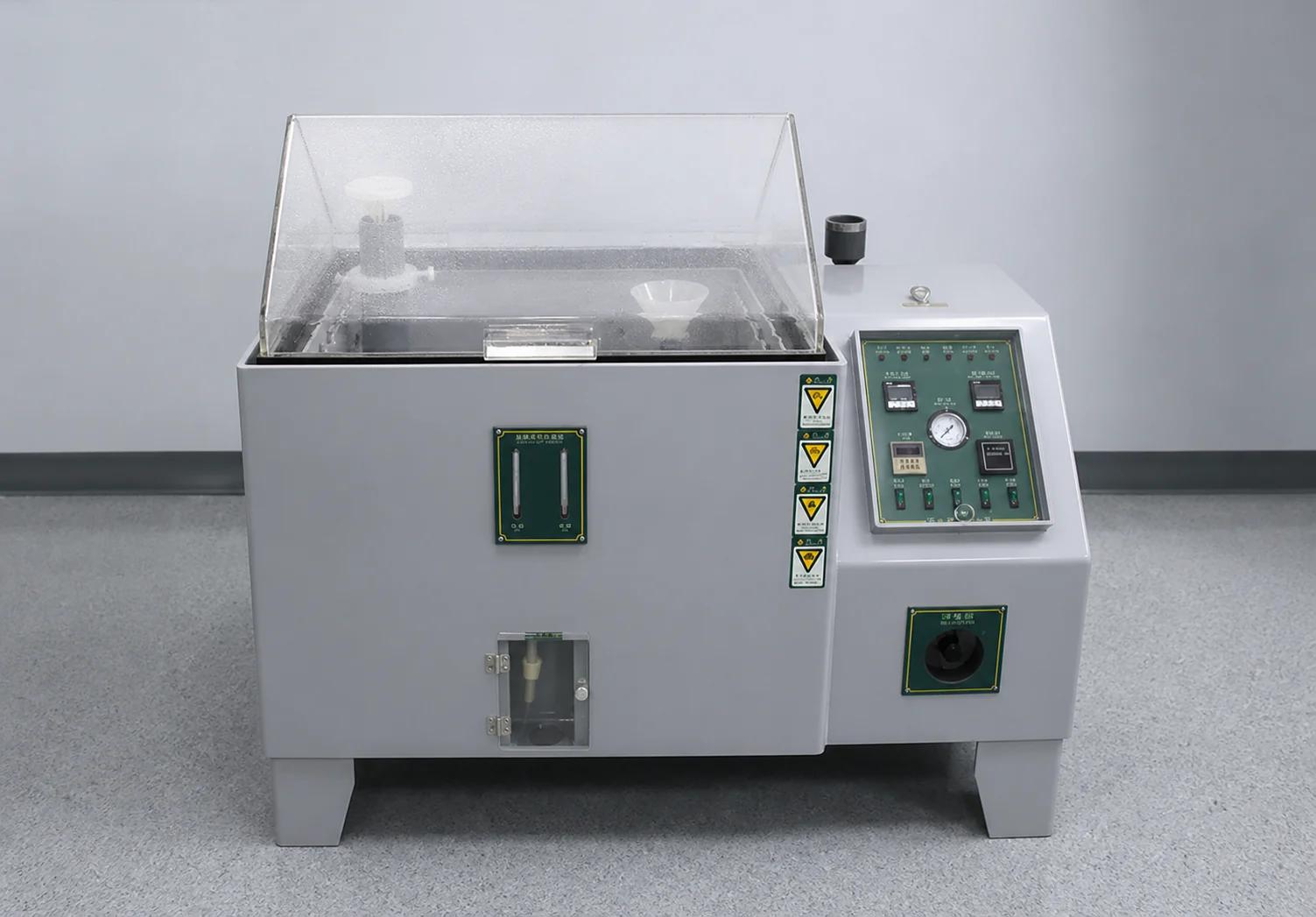
- Corrosion on the outer ring surface roughens the running contact with the ring; protect the machine from moisture when stored.
Replacement from a sample
- Send one used roller from each position, even if worn. Rollers on the same machine may differ in profile or stud type.
- Include the stud or eccentric stud if it is integral with the roller, and note whether it is concentric or eccentric.
- Measure or photograph the ring track the roller runs on, so the profile can be checked against the mating surface.
- State the machine size range and whether the machine is used with coolant.
- We measure the sample, prepare a dimension sheet for confirmation and quote against the confirmed dimensions. Dimensions that cannot be measured reliably on a worn sample are listed for your confirmation.
How we make beveling machine rollers
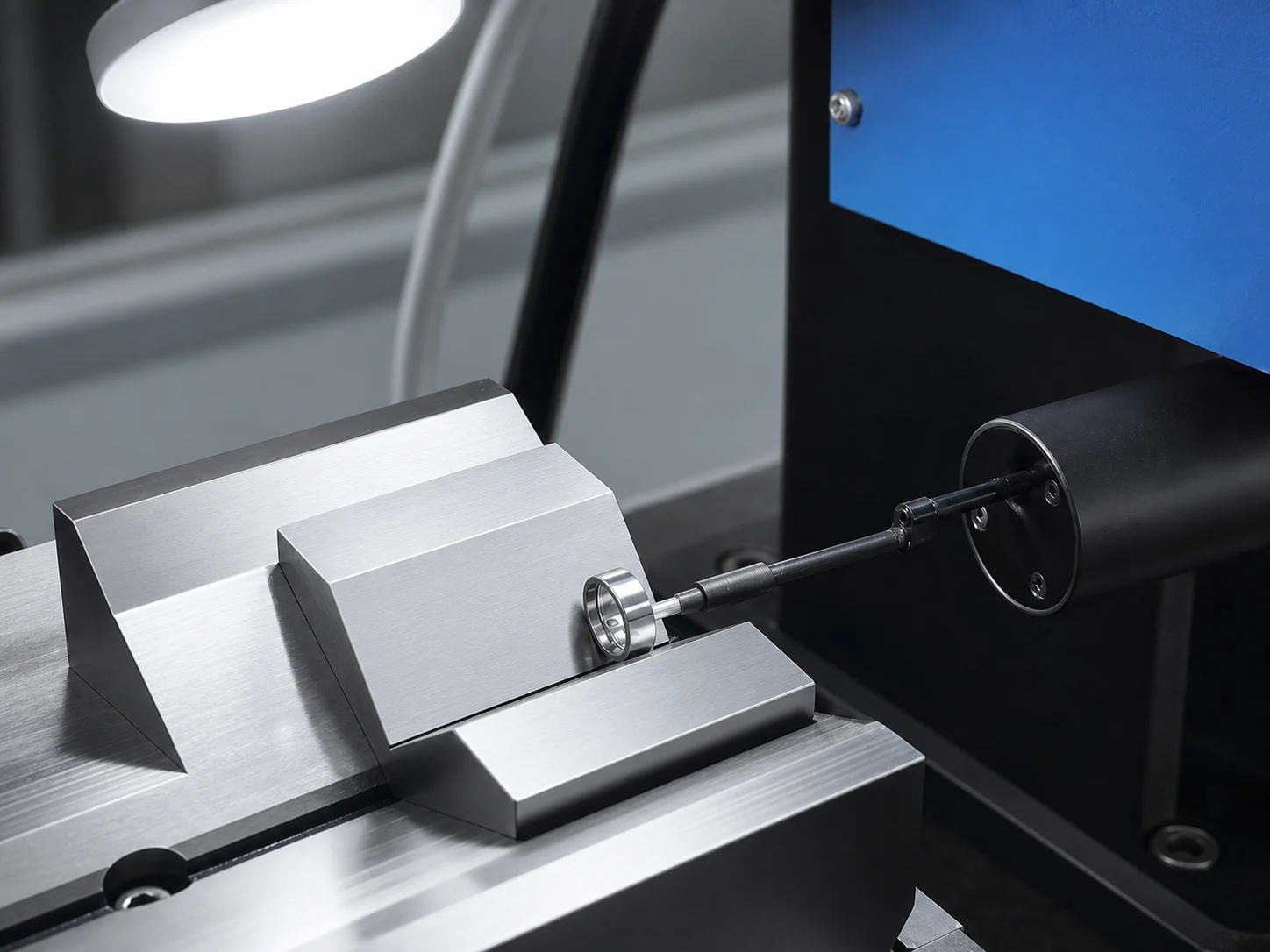
We manufacture profiled track rollers for split-frame pipe cutting and beveling machines to sample or drawing, including stud and eccentric stud types. Turning, raceway grinding, superfinishing and assembly are done in our Cixi factory; heat treatment is carried out by a long-term partner. See our track roller products. NLHB manufactures miniature and deep groove ball bearings up to P4 precision, and double row angular contact bearings and track rollers up to P6.
Evidence from our workshop
What to send for a quotation
- Used sample from each roller position, or a drawing with profile dimensions.
- Stud type: concentric, eccentric or no stud; thread and hex size if applicable.
- Profile of the ring track the roller runs on.
- Machine size range and pipe material cut.
- Use of coolant and required seal type.
- Precision and inspection requirements, if specified.
- Quantity per order and per year.
Frequently Asked Questions
Why does the bevel angle vary around the pipe?
A common cause is ring runout from worn or loose support rollers. Check the rollers for play, profile wear and correct eccentric adjustment before adjusting the tool.
Should all rollers on the ring be replaced at once?
Replacing all rollers of one type together keeps the ring concentric and the load shared evenly. Mixing worn and new rollers can concentrate load on the new ones.
What seal type suits pipe beveling machine rollers?
Contact seals on both sides are normally preferred because chips and coolant reach the rollers directly. Grease should be chosen for water resistance where coolant is used.
Can you make rollers with eccentric studs?
Yes. We make track rollers with concentric or eccentric studs to sample or drawing and confirm the adjustment range and thread before quotation.
Can a replacement be made from a worn sample?
Yes. We measure the sample, list any dimensions affected by wear for your confirmation, and quote against the confirmed dimension sheet.
Related guides
Published 2026-09-25. Images show our own workshop and representative products. Final dimensions, grades, inspection limits and supply conditions are confirmed against the requested model, drawing and order.