Deep groove ball bearing series mainly define the dimensional envelope available around a shaft. Selection should begin with bore, outside diameter and width constraints, then continue with load, speed, fits, internal clearance, closure and lubricant requirements.
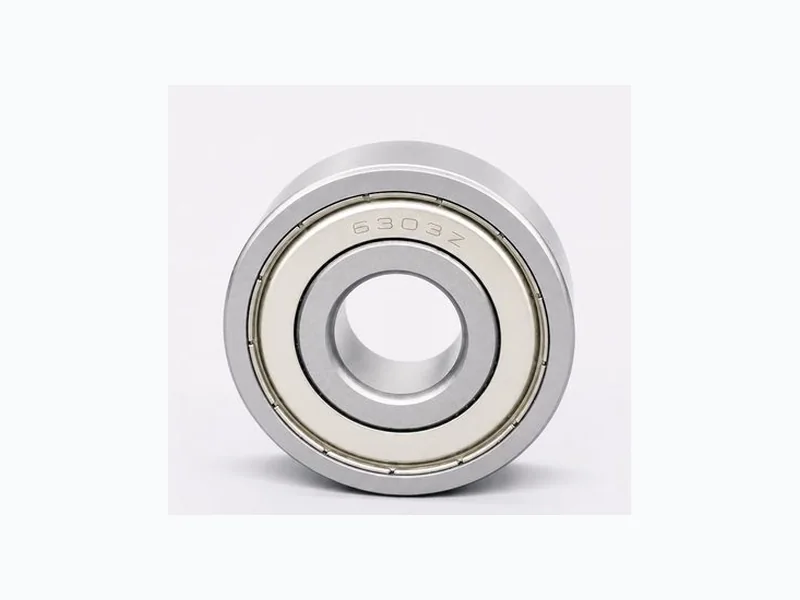
Select the envelope before the suffix
The same bore can be available in several diameter and width series. A smaller cross-section saves space, while a larger envelope may provide a different capacity and stiffness range. Final capability remains model-specific.
Series structure and selection limits
Single-row deep groove ball bearings are widely used because their raceway geometry supports radial load and a degree of axial load in both directions. This versatility does not remove the need to check the complete designation and application conditions.
The series number is a dimensional route, not a performance certificate. Bearings with the same bore can differ in outside diameter, width, ball complement, cage, seal contact, grease fill and internal clearance.
Series map
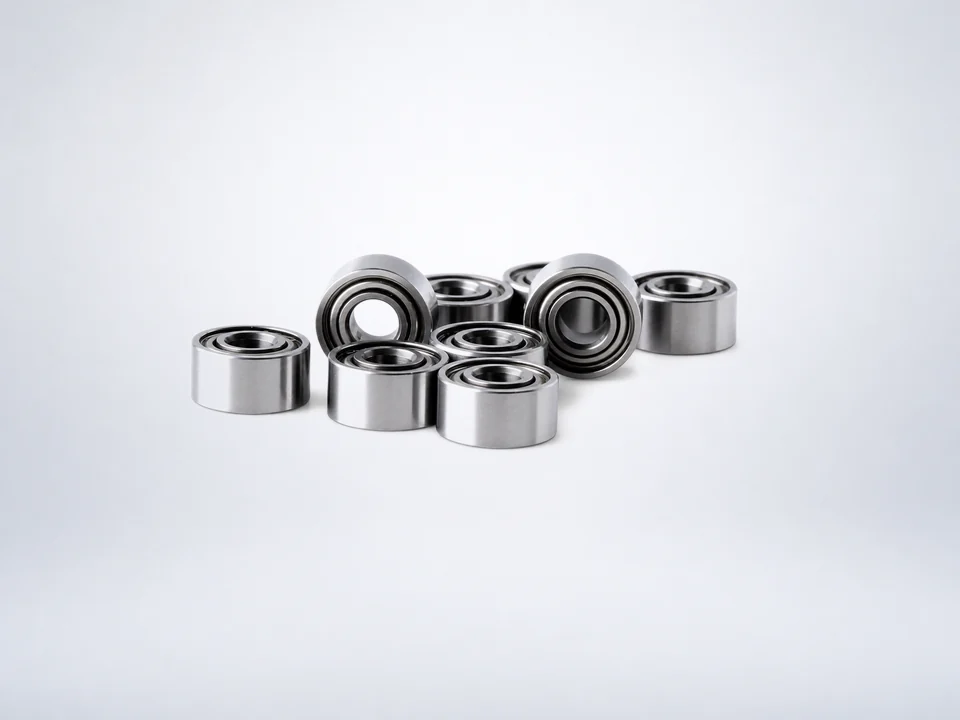
Miniature and flanged
For small shafts and compact assemblies; torque, cleanliness, cage and lubrication become increasingly important.
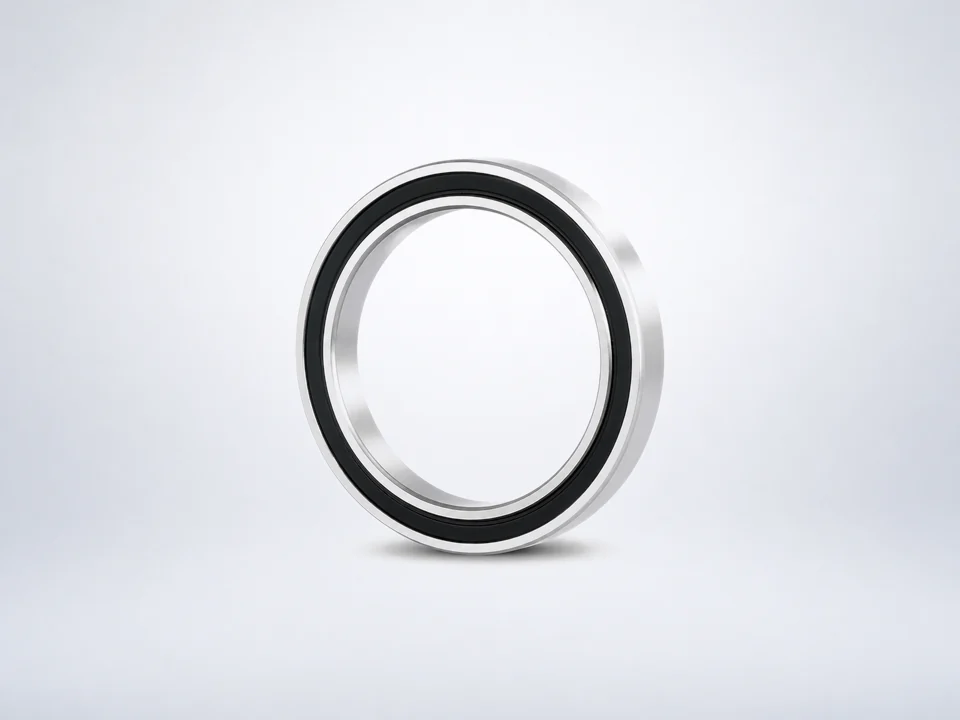
6700 / 6800 / 6900
Thin-section metric families offering different radial envelopes at a given bore.
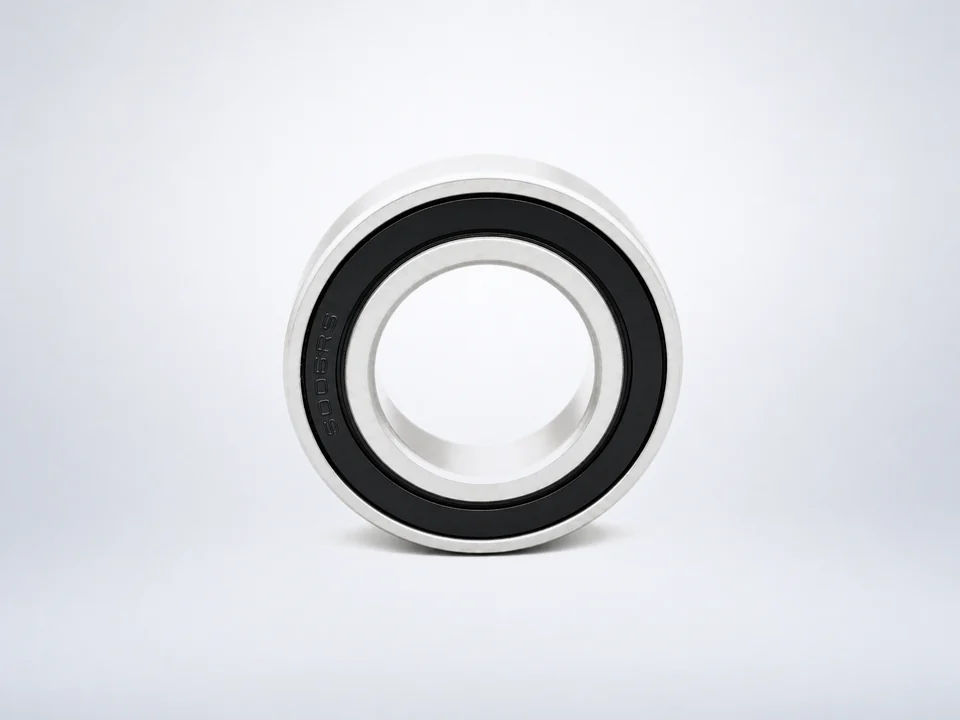
6000 series
Common light dimensional series for general machinery and electric equipment.
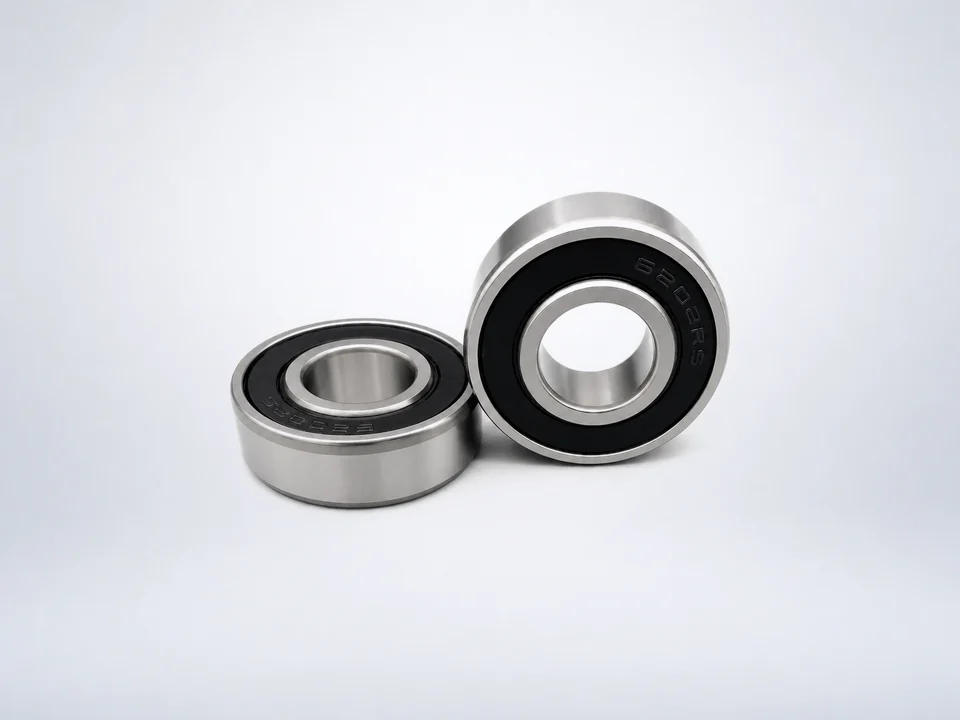
6200 series
A widely used dimensional series with a larger envelope than the corresponding 6000 route.
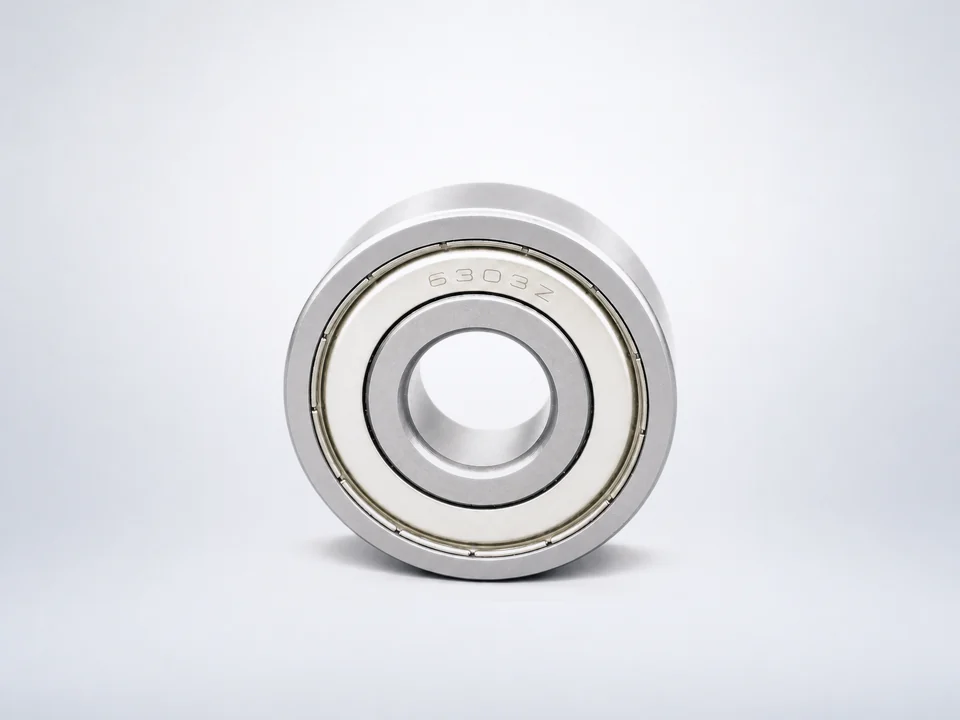
6300 series
Larger diameter and width series where the surrounding structure permits a broader envelope.
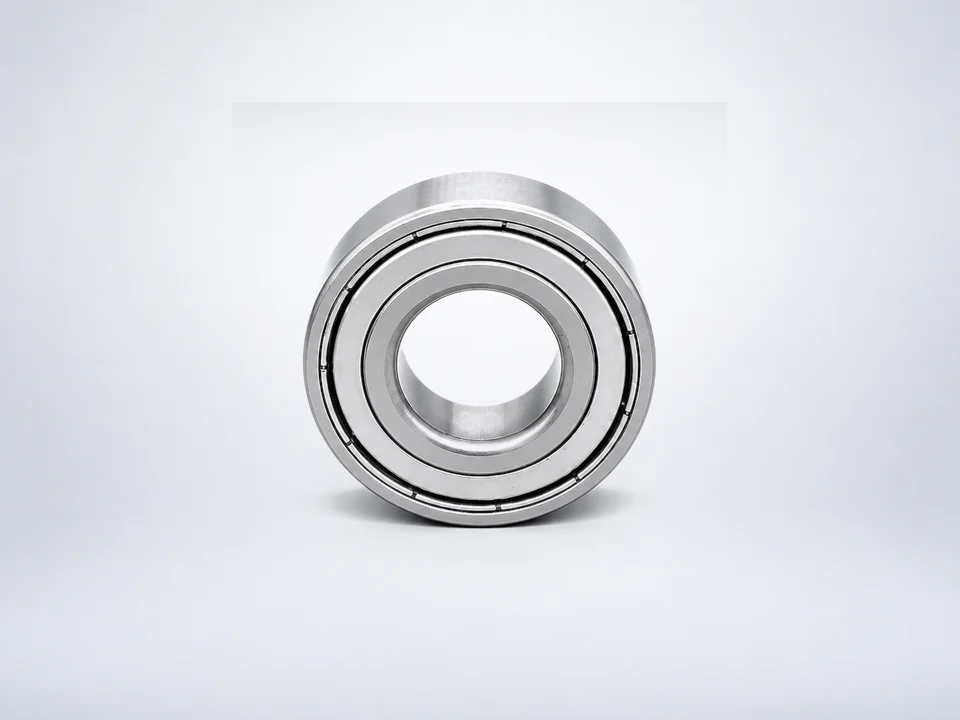
16000 and inch ranges
Thin metric and inch-dimension families require careful designation and unit verification.
Selection framework
| Decision | What to compare | Common mistake |
|---|---|---|
| Envelope | Bore × outside diameter × width | Selecting from bore alone |
| Load and speed | Catalogue ratings, duty cycle and thermal condition | Assuming the larger series is automatically suitable |
| Fits and clearance | Shaft/housing fits, temperature and internal clearance | Treating factory clearance as operating clearance |
| Closure and grease | Open, shields, contact/non-contact seals and lubricant | Reading all 2RS or ZZ suffixes as identical |
A series comparison narrows the range; it does not complete the calculation
After choosing a dimensional family, verify the exact model against load ratings, permissible speed, fits, clearance and lubrication data from the applicable catalogue or approved drawing.
Selection sequence
Use a consistent sequence to avoid moving directly from a shaft diameter to a purchase order.
- Fix the available bore, housing diameter and axial width.
- Define radial and axial loads, speed, duty cycle and shock.
- Calculate or verify rating life using the selected model data.
- Select shaft and housing fits, then determine required internal clearance.
- Choose open, shielded or sealed construction from contamination and friction requirements.
- Confirm cage, grease, temperature range, noise/vibration and traceability requirements.
Quality controls follow the application
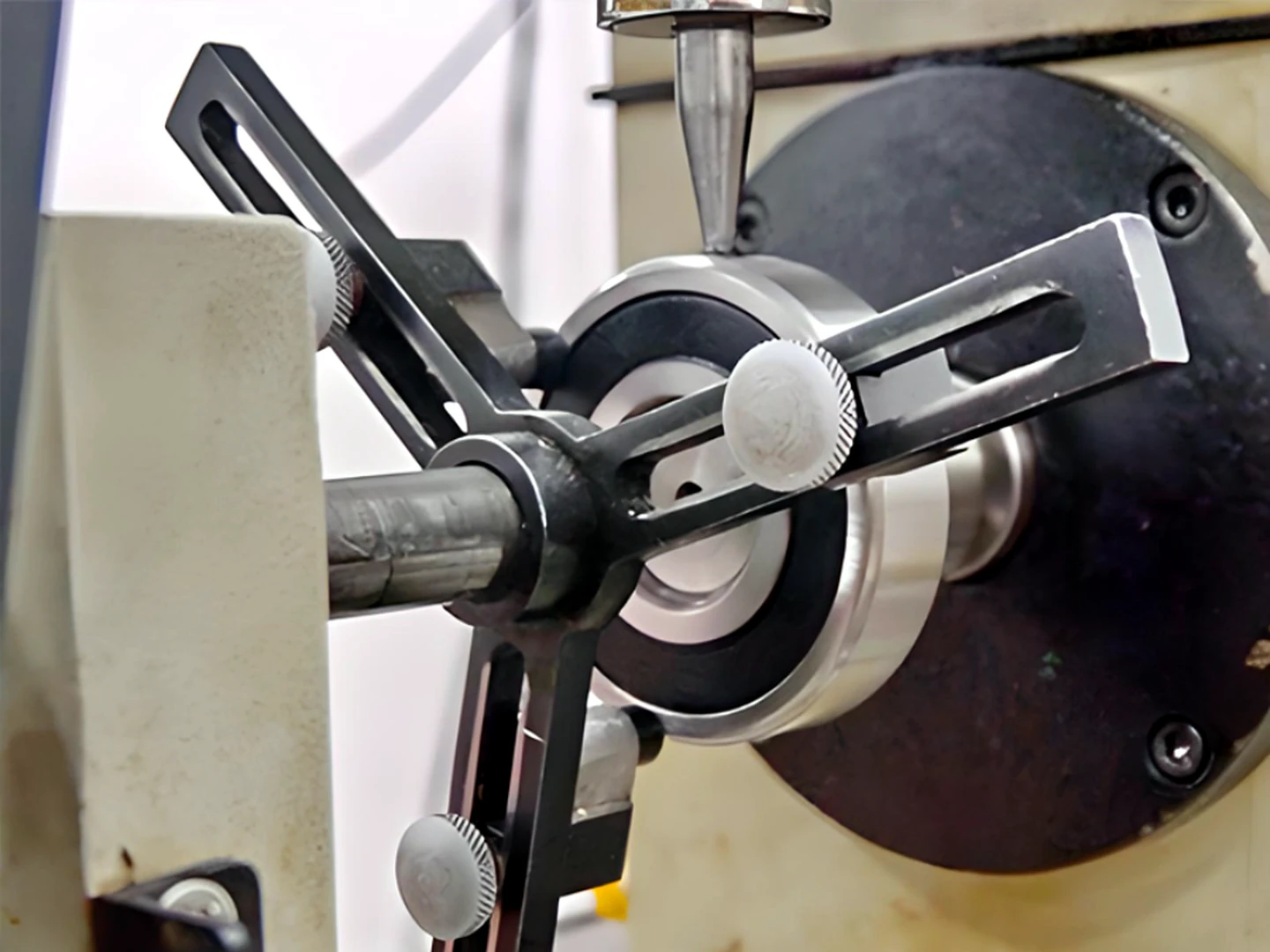
A motor bearing, miniature instrument bearing and contaminated-environment bearing do not share the same critical characteristics. Inspection plans should therefore be linked to the drawing and operating requirement.

Information needed for quotation
- Fix the available bore, housing diameter and axial width.
- Define radial and axial loads, speed, duty cycle and shock.
- Calculate or verify rating life using the selected model data.
- Select shaft and housing fits, then determine required internal clearance.
- Choose open, shielded or sealed construction from contamination and friction requirements.
- Confirm cage, grease, temperature range, noise/vibration and traceability requirements.
Frequently Asked Questions
What is the difference between 6000, 6200 and 6300 series?
They are different dimensional series. For a comparable bore, their outside diameter and width routes differ; model-specific ratings must be checked.
Are 6700, 6800 and 6900 all thin-section bearings?
They are commonly grouped as thin metric series, but each follows a different dimensional envelope.
Does 2RS always mean the same seal?
No. Suffix conventions and seal design vary by manufacturer and catalogue generation.
When is a shield preferable to a contact seal?
The choice depends on contamination, friction, speed, grease retention and maintenance strategy.
Can C3 clearance solve bearing overheating?
Not automatically. Fits, temperature, lubrication, alignment and load must be evaluated before changing clearance.
What is needed to replace an inch bearing?
Provide the full marking and measured bore, outside diameter and width in both the original unit and millimetres.
Related engineering guides
References
Evidence version: deep-groove-series-v1 · Checked 2026-09-21. Images are representative. Final dimensions, ratings, inspection limits and supply conditions are confirmed against the requested model, drawing and order.