Airframe-control bearing selection is governed by motion mode, load direction, starting and running torque, construction, corrosion protection, lubricant and documentation. A commercial series name or dimensional match does not establish aerospace approval or interchangeability.
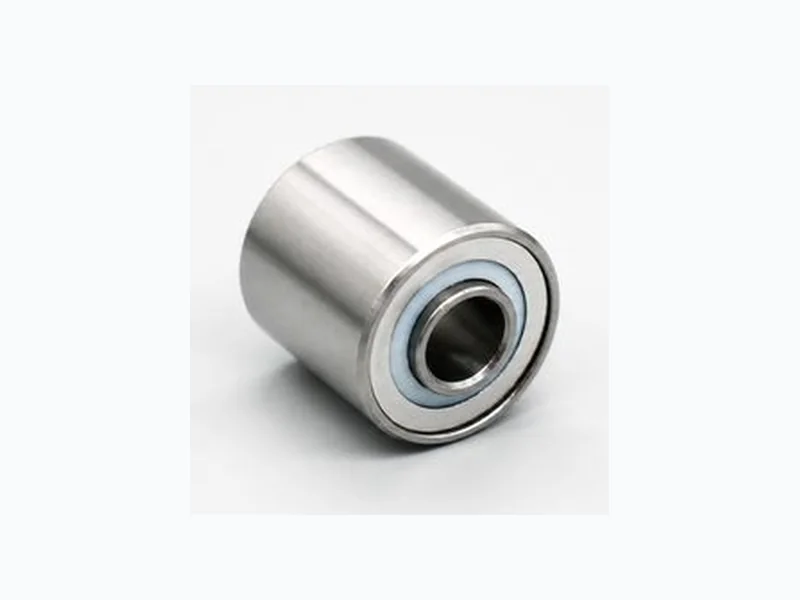
Motion mode comes before catalogue number
Many control-bearing families are intended primarily for oscillation or limited rotation. Continuous rotation, full-complement construction and cage design must therefore be evaluated explicitly against the applicable catalogue and approved specification.
Series map and claim boundary
Official airframe-control catalogues separate standard and precision series, radial and self-aligning arrangements, torque-tube designs, extra-wide double-row products, and full-complement or caged constructions. The family name describes a design route, not a universal operating envelope.
NLHB can review drawings, samples and manufacturing feasibility for precision control or oscillatory applications. Any claim of compliance with an aerospace standard, qualification or approved-source requirement must be supported by the exact governing document and customer acceptance; it is not inferred from appearance or designation.
Series map
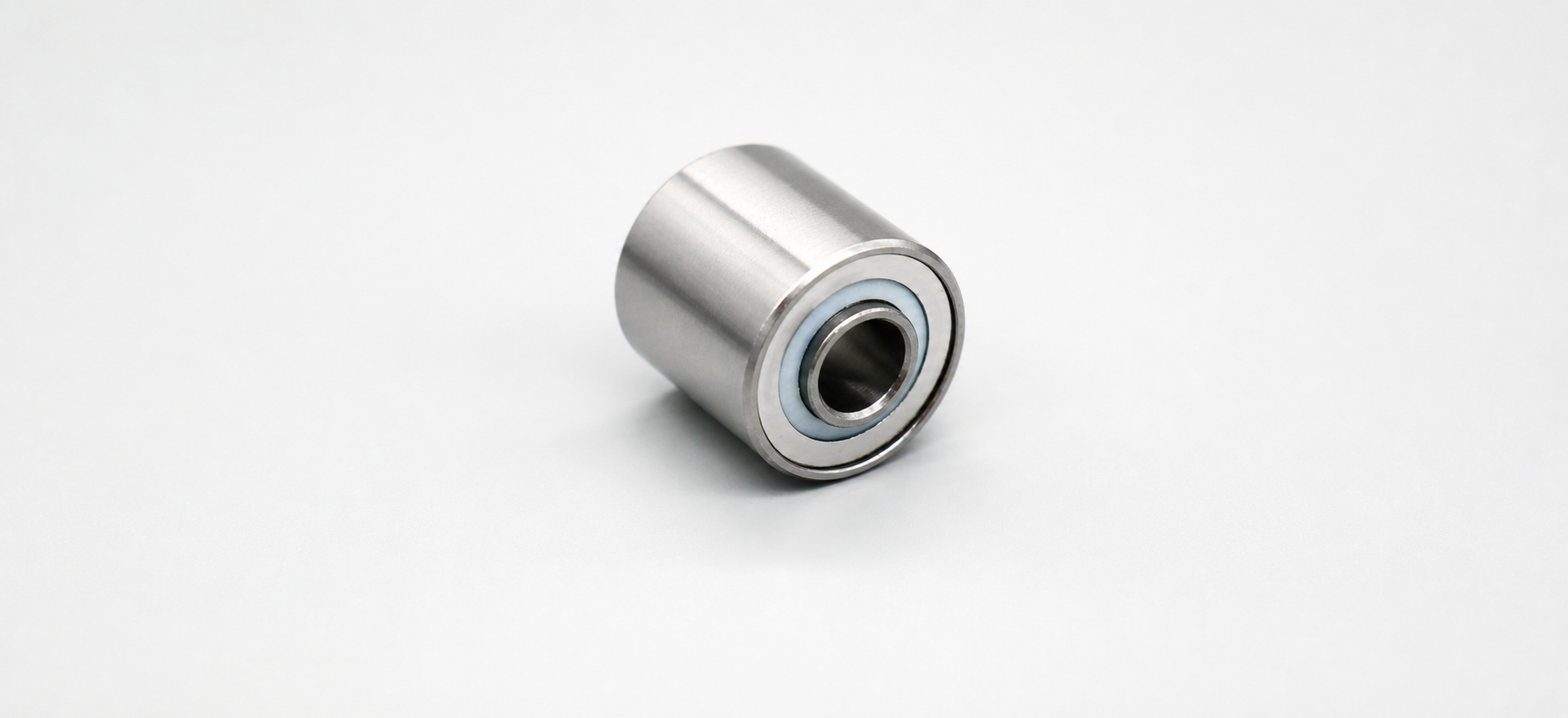
KP / radial families
Radial control-bearing routes with standard, precision and application-specific variants in official catalogues.
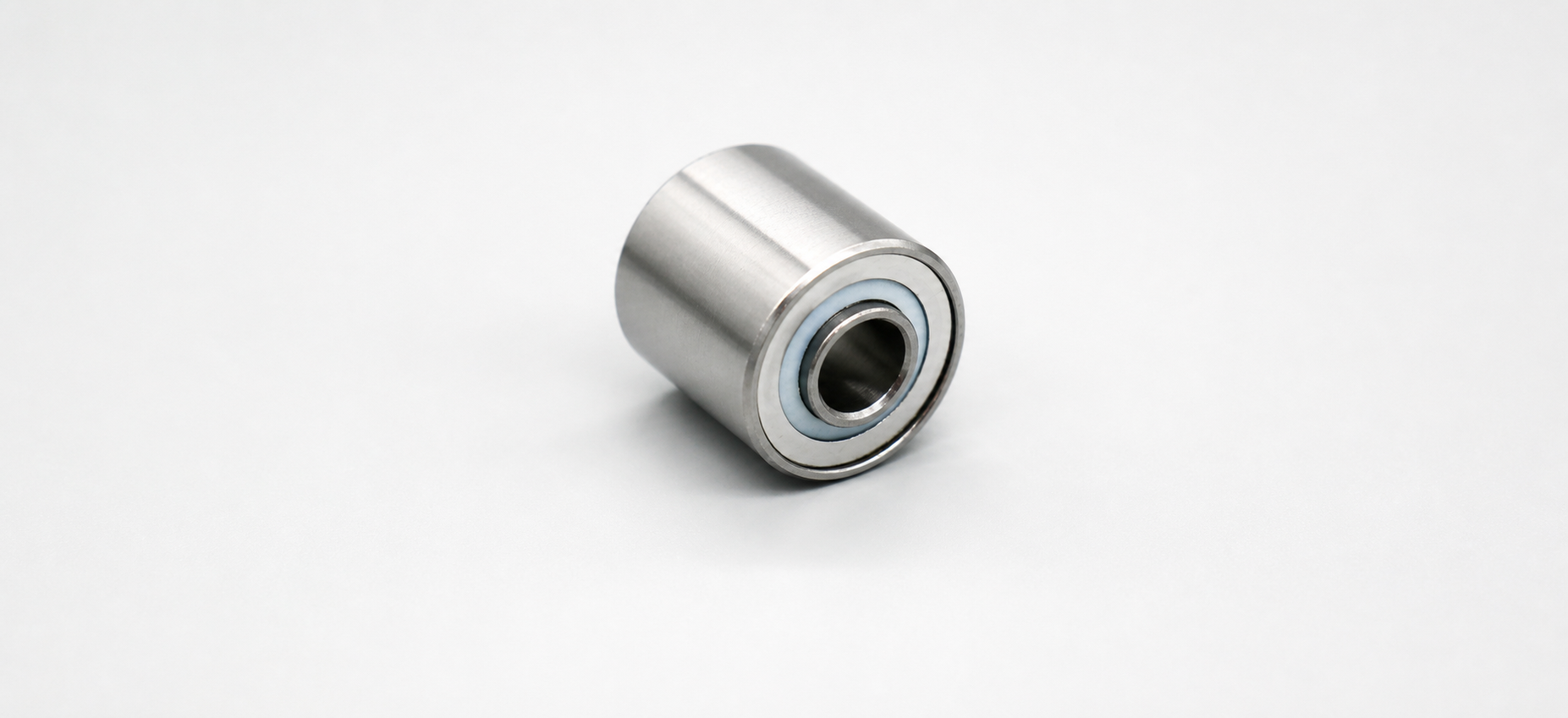
Torque-tube and light series
Compact single-row families where width, seals, plating and torque requirements are specification-controlled.
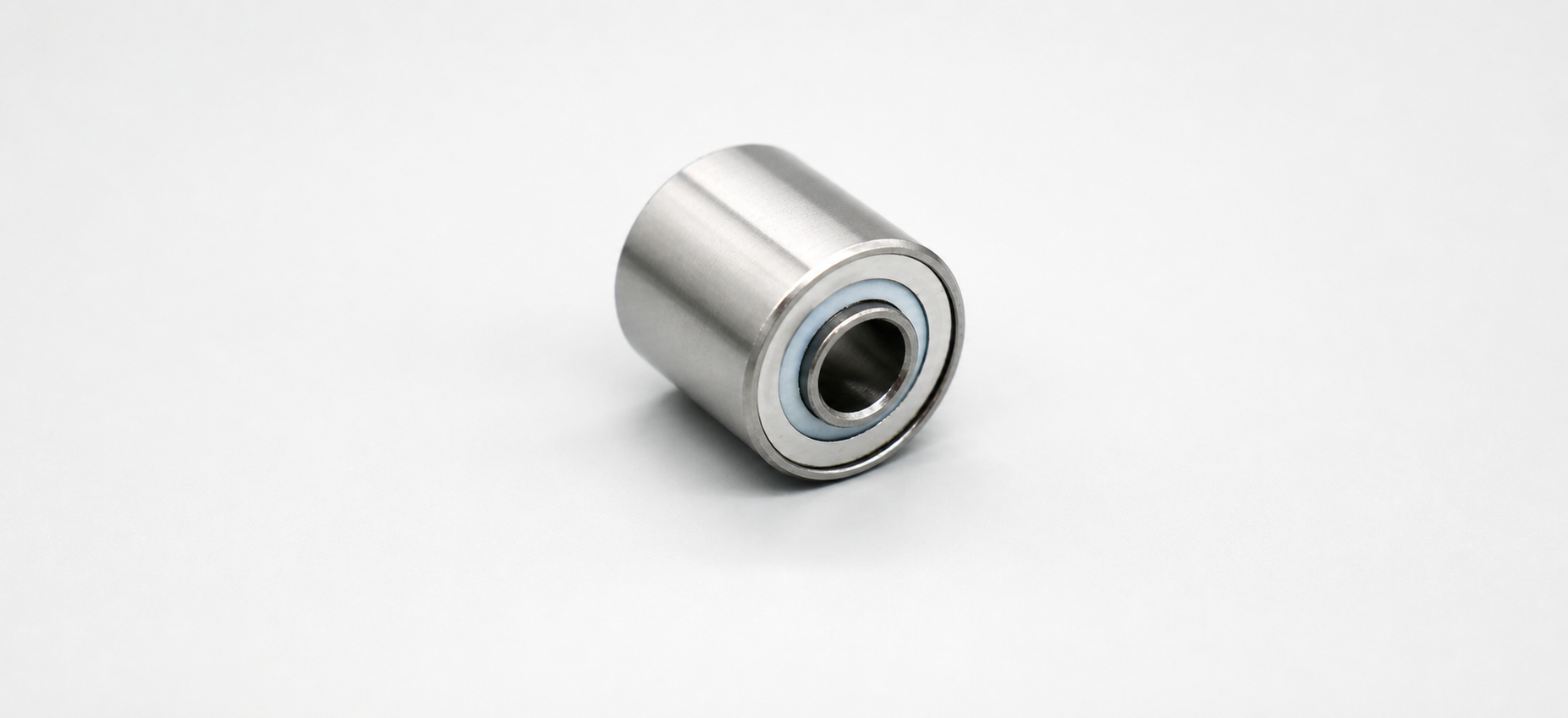
DPP / DSP double-row
Double-row standard and self-aligning arrangements; confirm motion, alignment and load path.
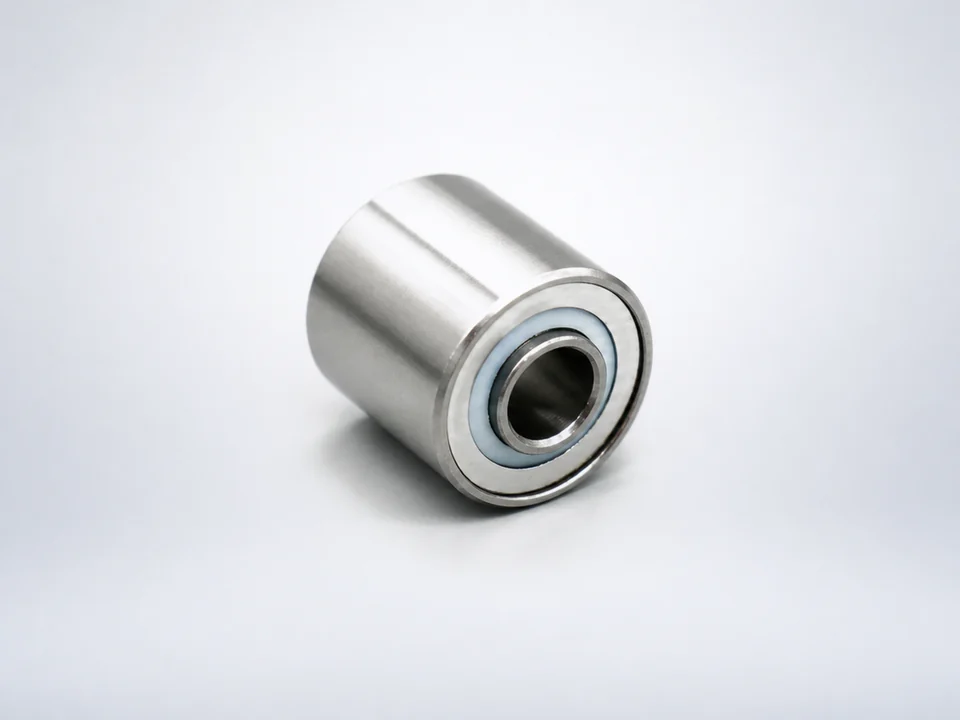
DW / GDW extra-wide
Extra-wide double-row route for control and precision mechanisms; exact geometry and construction are drawing-specific.
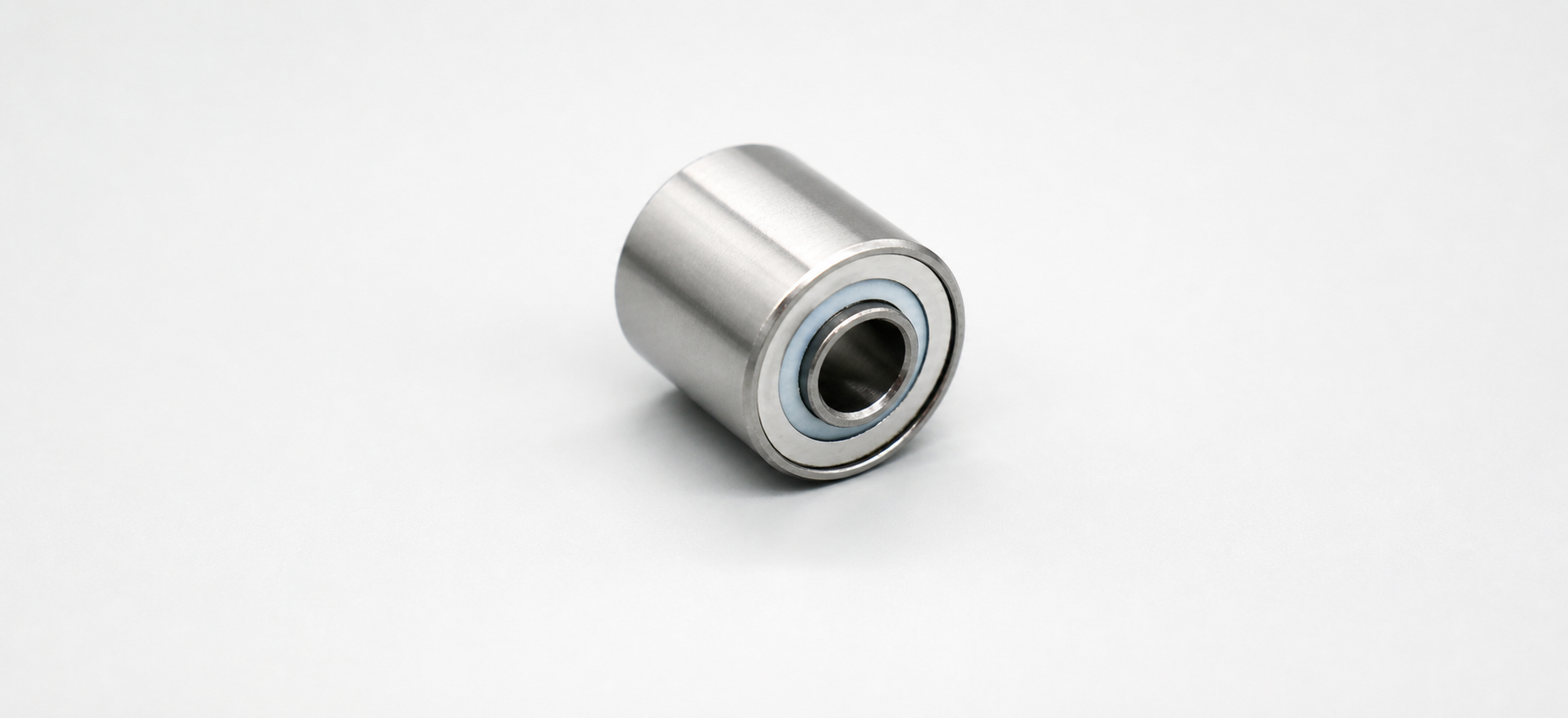
Precision variants
Precision prefixes and suffixes are catalogue-specific and must be tied to a controlled specification.
Selection framework
| Review item | Required definition | Evidence |
|---|---|---|
| Motion | Oscillation angle/frequency, intermittent or continuous rotation | Duty-cycle description and test condition |
| Torque | Starting/running torque, temperature and load state | Approved drawing or acceptance procedure |
| Construction | Full complement or caged, single/double row, self-aligning or rigid | Section drawing and catalogue designation |
| Compliance | Material, heat treatment, plating, lubricant, inspection and traceability | Customer specification, certificates and qualification records |
Do not convert a catalogue cross-reference into an aerospace approval claim
Dimensional correspondence may support an engineering review, but compliance depends on the exact standard revision, factory specification, process controls, records and customer approval.
Verification package required before manufacture
For control-bearing work, documentation is part of the product definition.
- Controlled drawing with revision and complete designation.
- Motion profile: oscillation angle and frequency or rotation speed and duty cycle.
- Radial, axial and moment loads with installation orientation.
- Starting/running torque and internal clearance acceptance method.
- Material, heat treatment, plating/coating, seal and lubricant specifications.
- Required inspection reports, traceability, sample approval and change-control rules.
Verification is specification-led
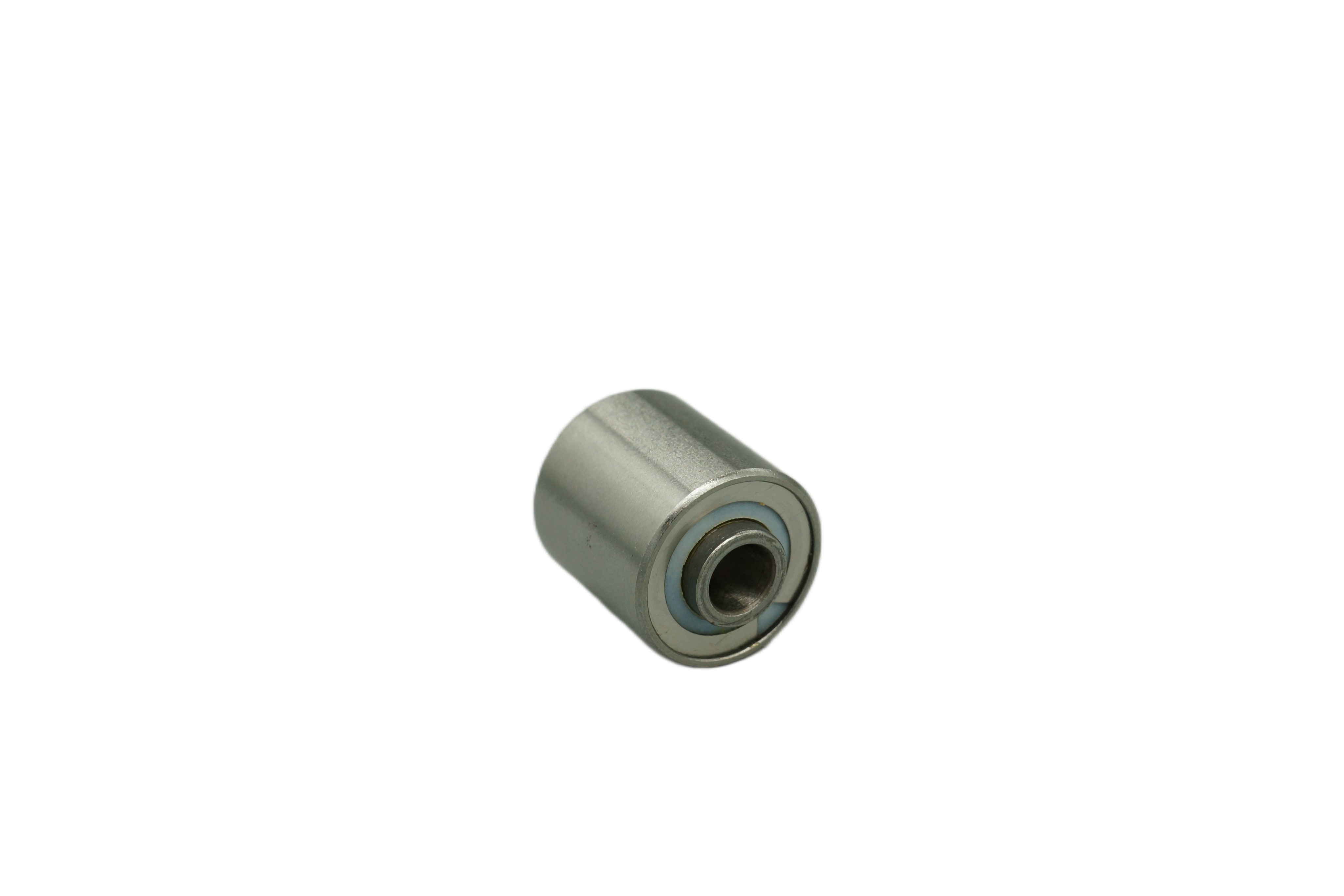
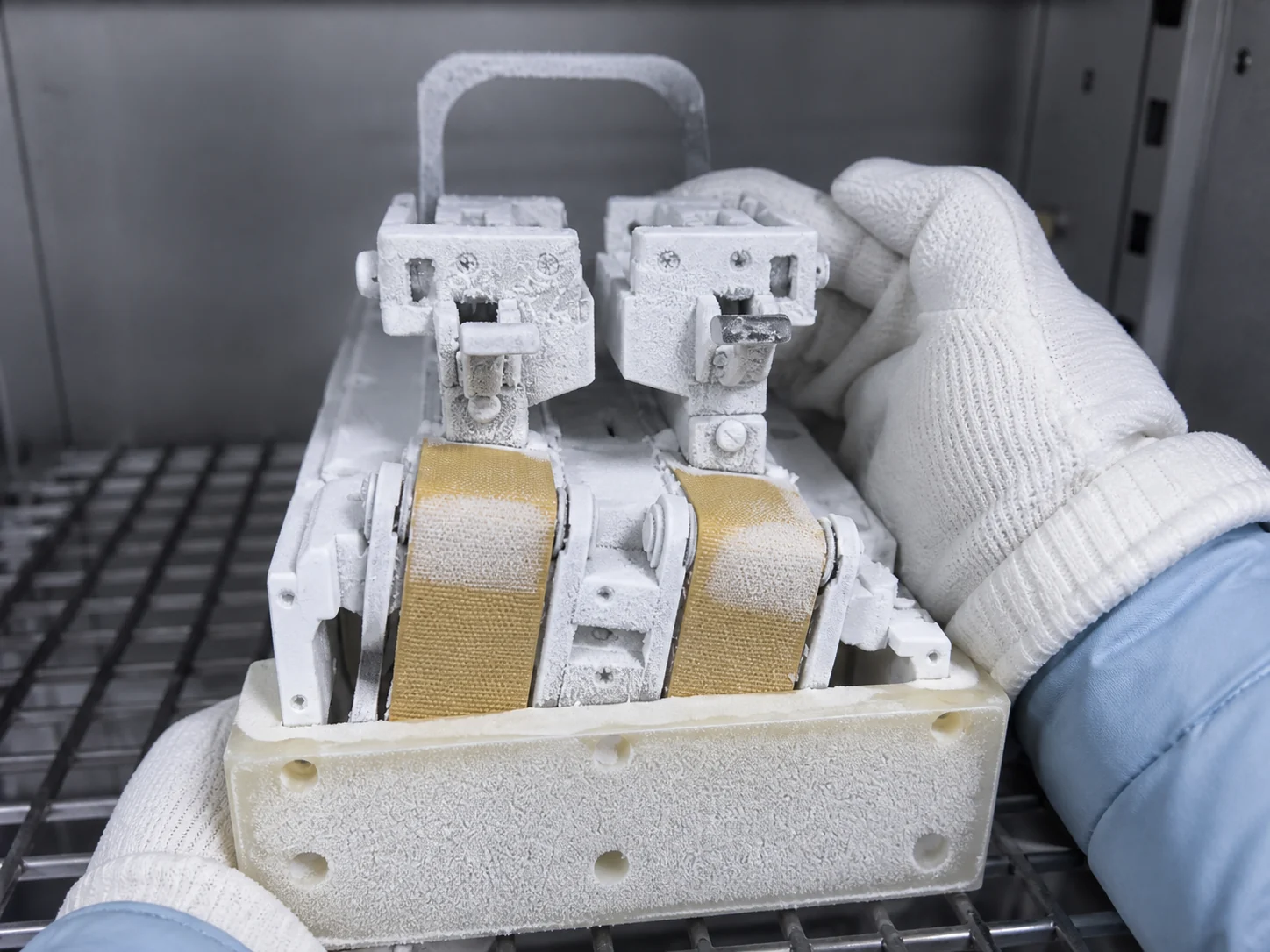
Dimensional inspection alone is insufficient. The control plan may need torque, clearance, material, surface treatment, lubricant, environmental and document checks according to the approved specification.
Engineering review checklist
- Controlled drawing with revision and complete designation.
- Motion profile: oscillation angle and frequency or rotation speed and duty cycle.
- Radial, axial and moment loads with installation orientation.
- Starting/running torque and internal clearance acceptance method.
- Material, heat treatment, plating/coating, seal and lubricant specifications.
- Required inspection reports, traceability, sample approval and change-control rules.
Frequently Asked Questions
Does a DW or KP number prove aerospace compliance?
No. Compliance must be tied to the exact standard, revision, factory specification and approved manufacturing source.
Can a full-complement control bearing run continuously?
Do not assume so. Official catalogues distinguish oscillatory service from continuous rotation and recommend application review.
What is the difference between standard and precision series?
The distinction is catalogue-specific and may affect tolerances, torque or other controlled characteristics; use the governing specification.
Can an industrial bearing replace an airframe-control bearing?
Not from dimensions alone. Construction, torque, materials, plating, lubricant, records and qualification must be reviewed.
Can NLHB evaluate a sample without a drawing?
A sample can support initial mapping, but certification or final compliance cannot be established without controlled requirements.
What information should be redacted before sending?
Remove unrelated confidential assembly details while retaining bearing interfaces, requirements, revision and approval criteria.
Related engineering guides
References
- RBC Bearings — Airframe Control Ball Bearings Engineering Data
- RBC Bearings — Rolling Element Bearings Catalogue
Evidence version: airframe-series-v1 · Checked 2026-09-21. Images are representative. Final dimensions, ratings, inspection limits and supply conditions are confirmed against the requested model, drawing and order.