Z3V3 on a drawing or purchase order means the bearing must pass two separate vibration checks: grade Z3 for vibration acceleration and grade V3 for vibration velocity. Motor, fan and appliance makers use it to specify quiet deep groove ball bearings. This guide explains both scales, when each matters, and how we test them in our Cixi factory.
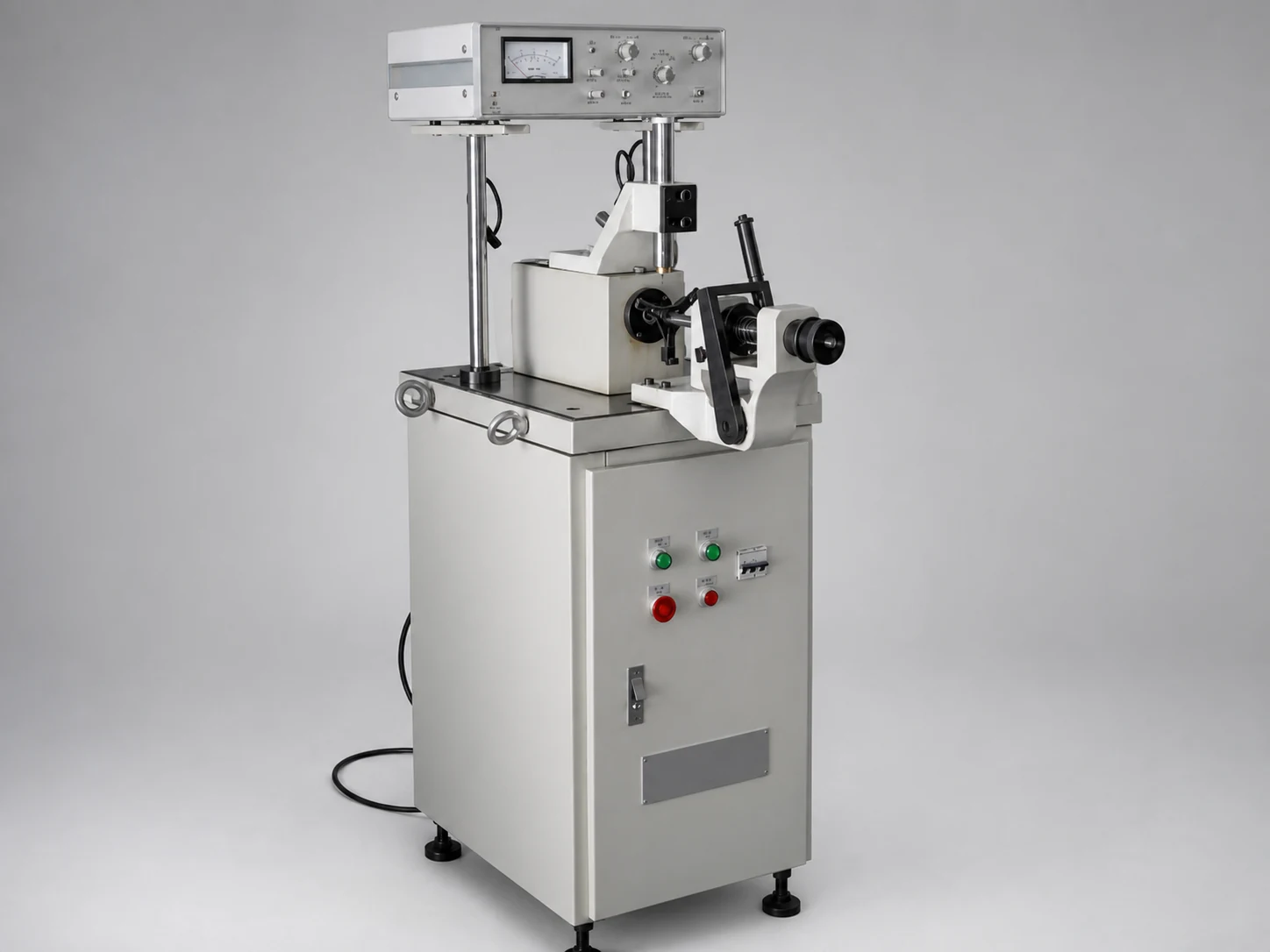
Two independent vibration measurements
Z grades quantify vibration acceleration, which is dominated by high-frequency components from raceway and ball surface finish. V grades quantify vibration velocity in three frequency bands and respond to waviness, local defects and contamination.
Z grades and V grades side by side
| Z grades (Z1–Z4) | V grades (V1–V4) | |
|---|---|---|
| What is measured | Vibration acceleration, reported in dB | Vibration velocity, reported in µm/s |
| Frequency bands | Single broadband value | Three bands: low (L), medium (M), high (H) |
| Chinese industry standard | JB/T 7047 (deep groove ball bearings, vibration acceleration) | JB/T 10187 (deep groove ball bearings, vibration velocity) |
| What it catches | Raceway and ball surface finish, high-frequency noise | Waviness, damage and contamination that cause rumble and uneven noise |
| Direction of the scale | Z4 is the quietest | V4 is the quietest |
The two scales are complementary. A bearing with a smooth surface finish can pass Z3 but still show a velocity peak in one band from a single dent or particle. That is why quiet-motor buyers increasingly write both grades — for example Z3V3 or Z4V4 — rather than a single Z grade. For the dB limits by bore size, see our Z1–Z4 noise grade table.
Which applications specify Z3V3 or higher
Household appliance motors
Air-conditioner fan motors, washing machines and range hoods, where noise is noticed by end users.
Small and precision motors
Micro DC motors, robot vacuum brush motors, drone motors and office equipment.
Quiet fans and medical devices
Cooling fans, ventilation units and bedside equipment that run close to people.
How to write vibration grades into an order
- Write both grades explicitly, e.g. 6202-2RS C3 Z3V3. Do not rely on a verbal "low noise" request.
- State the standard and edition used for acceptance (JB/T 7047 / JB/T 10187, or an agreed company standard).
- Agree the test conditions: tester type, speed, axial load and whether the bearing is tested open or sealed.
- Agree the grease. The grease type and fill quantity change measured vibration, especially in the high band.
- Define sampling: 100% sorting or batch sampling, and what happens to rejected parts.
How we check vibration
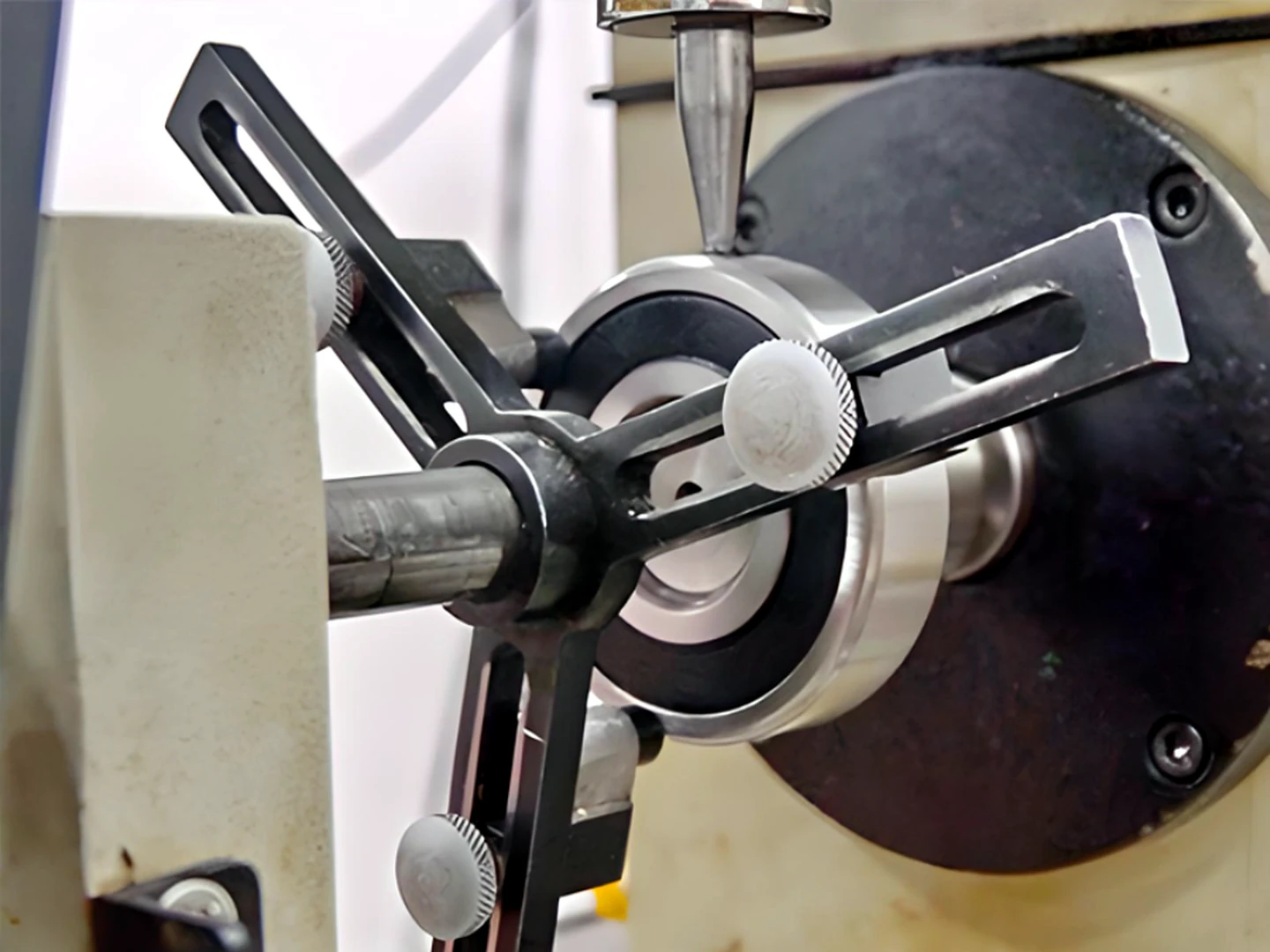
Our vibration testers sort finished deep groove and miniature bearings before packing. We supply to the Z and V grades agreed on each order and confirm the achievable grade for your exact size and seal type before quotation. NLHB manufactures miniature and deep groove ball bearings up to P4 precision, and double row angular contact bearings and track rollers up to P6.
Evidence from our workshop

What to send for a quotation
- Bearing designation with seal, clearance and grade (e.g. 6202-2RS C3 Z3V3).
- Acceptance standard and test conditions.
- Grease type and fill, if specified.
- Application: motor type, speed and noise target.
- Quantity and sampling plan.
Frequently Asked Questions
What does Z3V3 mean on a bearing?
It means the bearing meets vibration-acceleration grade Z3 and vibration-velocity grade V3 at the same time. Both are Chinese industry grades for deep groove ball bearings; higher numbers are quieter.
Is Z4 quieter than Z3?
Yes. On the Z scale Z4 is the quietest grade, then Z3, Z2 and Z1.
What is the difference between Z grades and V grades?
Z grades measure vibration acceleration in dB and mainly reflect surface finish. V grades measure vibration velocity in three frequency bands and catch waviness, dents and contamination that cause rumble.
Do I need V grades if I already specify Z3?
For quiet motors, yes. A bearing can pass a Z grade and still fail a V band because of a single defect, so many motor makers specify both.
Can NLHB supply Z3V3 bearings?
We sort deep groove and miniature bearings on our own vibration testers and supply to the Z and V grades agreed per order. Send the size and seal type and we confirm the achievable grade before quoting.
Related guides
Published 2026-09-25. Images show our own workshop and representative products. Final dimensions, grades, inspection limits and supply conditions are confirmed against the requested model, drawing and order.